
Does Sugar Cause Cancer?
Separating fact from fear..
Have you ever heard that “sugar feeds cancer”?
Or perhaps you’ve switched to diet drinks to cut back on sugar, only to see headlines warning that artificial sweeteners could be just as harmful…
If you’re feeling confused, you’re not alone.
This is one of the most common questions we’re asked in clinic — and it’s a topic surrounded by some pretty frightening headlines.
And while there are genuine reasons to be mindful of how much sugar we eat, the science is far more nuanced (and far less scary) than social media would have you believe.
The good news?
Understanding what the evidence actually shows can help you make simple, sustainable changes that genuinely support your long-term health — without creating fear or guilt around food.
In this article, we’ll explore whether sugar really “feeds” cancer; how sugar may influence cancer risk; what the latest research says about sugary drinks, fruit juice and artificial sweeteners; and most importantly, what you can do to reduce your risk.
Let’s dive in!
Does sugar feed cancer?
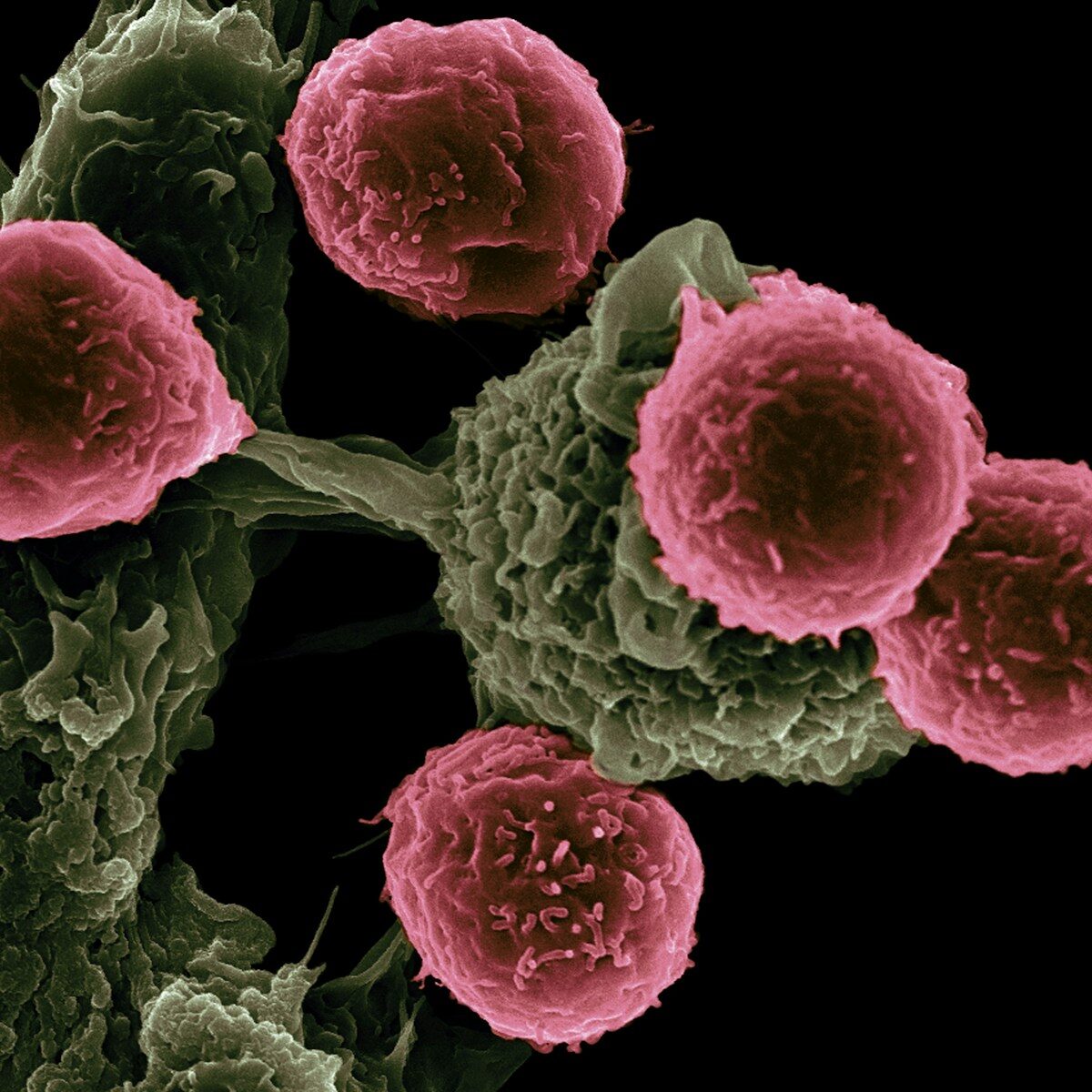
You’ve probably heard the claim that cancer cells love sugar.
And there is a grain of truth behind it.
Back in the 1920s, a scientist called Otto Warburg discovered that cancer cells make energy from glucose (a type of sugar) differently to healthy cells (1).
Many tumours take up large amounts of glucose and break it down rapidly — even when plenty of oxygen is available. This is now known as the “Warburg effect”, and almost 100 years later, scientists are still debating exactly why it happens (2).
It’s also the reason PET scans work — a radioactive form of glucose is injected, and areas that absorb it quickly (such as tumours) light up on the scan.
But here’s the important part…
All of our cells need glucose to function — not just cancer cells.
Our brain and red blood cells in particular rely on a steady supply every minute of the day.
And even if we cut sugar out of our diet completely, our body is very good at keeping blood glucose levels within a tightly controlled range. If carbohydrate is scarce, the liver simply makes new glucose from protein and parts of fat. Cancer cells don’t rely on glucose alone either — they use amino acids and fats for fuel too (1).
This means there’s currently no way to “starve” cancer cells of glucose without also starving healthy cells. It’s why Cancer Research UK concludes there’s no evidence that a sugar-free diet lowers the risk of developing cancer, or improves survival after a diagnosis (1).
This is especially important for anyone going through cancer treatment, as treatment can cause weight loss and put the body under a lot of stress. Highly restrictive diets can risk poor nutrition just when your body needs it most.
So the idea that we can simply starve cancer by cutting out sugar isn’t supported by good clinical evidence.
However, this doesn’t mean sugar is irrelevant when it comes to cancer prevention.
The relationship is just a bit more complicated — and it has a lot to do with how our diet affects our metabolic health over time.
How Sugar Can Influence Cancer Risk
While sugar itself isn’t a direct cause of cancer, there are several ways eating too much added sugar may raise cancer risk over time.
Here’s what’s going on below the surface:
1. Excess Body Fat (The Big One)
One of the clearest connections between added sugar and cancer is through its effects on body weight and metabolic health.
Regularly consuming lots of added sugar — especially in drinks — makes it very easy to take in more energy than our body needs. In fact, a large umbrella review in the BMJ found moderate quality evidence linking higher sugary drink intake with higher body weight (3).
This matters, because excess body fat is one of the best established (and most modifiable) risk factors for cancer.
In 2016, an expert working group from the International Agency for Research on Cancer (IARC) reviewed more than 1,000 studies, and found sufficient evidence linking excess body fat to 13 different types of cancer (4), including:
- bowel cancer
- breast cancer (after menopause)
- endometrial (womb) and ovarian cancers
- kidney, liver, pancreatic and gallbladder cancers
- thyroid cancer
- some cancers of the oesophagus and stomach
- multiple myeloma and meningioma
In the UK, overweight and obesity are now the biggest preventable cause of cancer after smoking (1).
2. Insulin Resistance and Inflammation
Body fat isn’t just stored energy either — it’s metabolically active.
Excess fat, particularly visceral fat around the tummy, can:
- raise insulin and other growth-promoting hormones
- increase oestrogen production after menopause
- drive low-grade chronic inflammation
Each of these can encourage cells to divide more often — increasing the chance of errors that can lead to cancer.
This is one reason looking after your metabolic health is so important, especially through perimenopause and menopause, when insulin resistance naturally increases (we cover this in depth in our article on hormones and blood sugar here).
Researchers are also investigating whether sugar might influence cancer risk independently of weight gain. In one large French study, the link between sugar intake and cancer remained even after accounting for weight gain, with the researchers pointing to inflammation, oxidative stress, and insulin resistance as possible pathways (5).
3. Fructose (An Emerging Area)
Animal studies are adding another interesting piece to the puzzle.
In a 2019 study published in Science, mice that were genetically prone to bowel tumours were given a moderate daily dose of high-fructose corn syrup (a sweetener widely used in US soft drinks). They didn’t become obese — but their tumours grew larger and more advanced, as the tumours used fructose to fuel their growth (6).
Of course, mice aren’t people, and these findings still need to be tested in humans.
In simple terms, these are all biologically plausible pathways — but we still have more to learn about how much sugar itself contributes, separate to overall diet and body composition.
And this is an important distinction: a food can influence our long-term health without directly causing a disease.
What Does The Research Actually Say?
So what happens when we look at sugar intake and cancer risk in real people?
One of the best known studies is the French NutriNet-Santé study, which followed more than 101,000 adults for almost six years (5). It found that:
- People with the highest total sugar intake had a 17% higher relative risk of developing cancer, compared with those eating the least.
- For breast cancer, the link was stronger — a 51% higher relative risk.
- Similar associations were seen for added sugars, table sugar (sucrose), and sugary drinks.
A large 2023 umbrella review in the BMJ then pulled together 73 meta-analyses covering 83 different health outcomes. It found harmful associations between high sugar intake and 45 outcomes — including seven cancer outcomes, such as breast, prostate and pancreatic cancer (3).
However, the authors stressed that most of this evidence was observational and low quality, and that the link with cancer specifically remains limited and needs more research.
A Quick Word On Reading The Research
When you see headlines about diet and cancer, there are two important things to keep in mind:
1. Association isn’t the same as causation
Most of these studies are observational — meaning they can show that two things tend to occur together, but can’t prove that one causes the other.
People who eat lots of sugar may also differ in many other ways, such as their overall diet, exercise, alcohol intake, smoking, income, and access to healthcare. Researchers do their best to adjust for these factors, but it’s never perfect (and diet is notoriously hard to measure accurately!).
2. Relative risk isn’t the same as absolute risk
A “17% higher risk” sounds alarming — but this describes a relative change, not your personal chance of developing cancer.
As a purely illustrative example, if someone’s risk of a particular cancer over the next 10 years was 5%, a 17% relative increase would take it to around 5.9%. That matters across a whole population, but it’s far less dramatic for an individual than the headlines suggest.
So while these results give us another good reason to be mindful of how much sugar we’re eating, they don’t mean that enjoying a slice of birthday cake or a dessert increases your cancer risk by these amounts.
So, How Much Sugar Is Too Much?
The World Health Organization recommends keeping “free sugars” to less than 10% of our daily energy intake — and suggests that reducing them to below 5% (around 25g, or 6 teaspoons a day) brings extra health benefits (7).
Free sugars include:
- sugars added to food and drinks (by manufacturers, cooks, or us!)
- honey and syrups
- fruit juice and fruit juice concentrates
They don’t include the sugars found naturally in whole fruit, vegetables, and milk.
Hint — a single can of soft drink can contain up to 40g of free sugars (around 10 teaspoons) (7). That’s more than the ideal limit for an entire day!
Sugary Drinks: The Clearest Link
This is where the evidence becomes particularly relevant to our everyday choices.
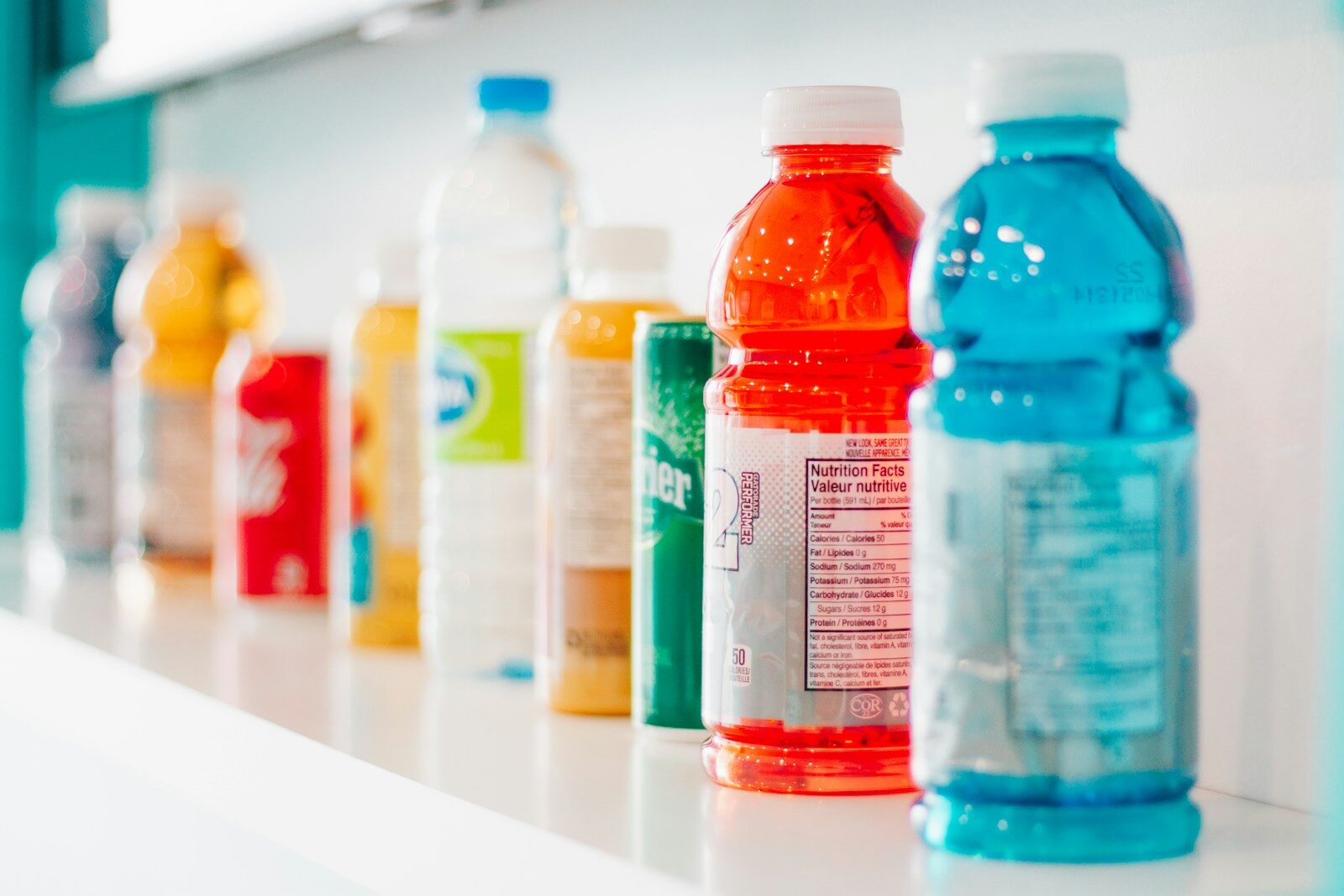
The World Cancer Research Fund (WCRF) rates the evidence as convincing that sugar-sweetened drinks cause weight gain, overweight and obesity in both children and adults — especially when they’re consumed often, or in large portions (8).
Its advice is simple: drink mostly water and unsweetened drinks.
Research has also looked more directly at sugary drinks and cancer:
- A 2019 BMJ study of over 101,000 French adults found every extra 100mL of sugary drink a day (about a third of a can) was linked with an 18% higher risk of cancer overall, and a 22% higher risk of breast cancer (9). Interestingly, diet drinks weren’t linked with cancer risk in this study.
- A 2023 meta-analysis of 37 cohorts (over 4.5 million people!) found each extra 250mL of sugary drink a day was linked with a 17% higher risk of breast cancer, 10% higher risk of bowel cancer, 30% higher risk of biliary tract cancer, and 10% higher risk of prostate cancer (10). However, the authors noted that the absolute increase in risk was small, and the certainty of the evidence was mostly low.
Sugary Drinks and Bowel Cancer in Younger Adults
One of the more concerning findings relates to bowel cancer diagnosed before the age of 50 — which has been rising in many high-income countries over the past two decades.
In the US Nurses’ Health Study II, which followed more than 95,000 women, those drinking two or more sugary drinks a day had more than double the risk of early-onset bowel cancer, compared with those having less than one a week. Each extra daily serving during the teenage years was linked with a 32% higher risk (11).
The good news? Swapping just one sugary drink a day for coffee, milk, or a diet drink was linked with a 17–36% lower risk.
This study was relatively small (with 109 cases of early-onset bowel cancer), so the findings need confirming — but they do fit with the wider picture.
New Research: Sugary Drinks and Stomach Cancer
A study published in August 2026 has now added stomach (gastric) cancer to the list.
Researchers at Mass General Brigham analysed decades of data from 112,284 adults in the US Nurses’ Health Study and Health Professionals Follow-Up Study, during which 278 people developed stomach cancer (12, 13). They found that:
- People who had at least one sugary drink a day had a 2.45 times higher risk of stomach cancer, compared with those who had less than one a month.
- Higher fructose intake was also linked with greater risk.
- Diet soft drinks showed no such association.
As with the other studies, this was observational, and the number of cases was relatively small. The researchers also had limited information on H. pylori infection and family history — two important risk factors for stomach cancer.
So while it adds to the case for limiting sugary drinks, it needs to be confirmed in other populations.
Why Drinks Matter So Much
Unlike whole fruit, sugary drinks deliver a large amount of sugar very quickly, with little to no fibre — and they don’t fill us up in the same way food does.
Over time, this makes it very easy to consume more energy than we need, often without even noticing.
If there’s one practical place to start reducing added sugar, swapping sugary drinks for water or unsweetened alternatives is a great place to begin!
Is fruit juice any better?
This is another question we get asked a lot!
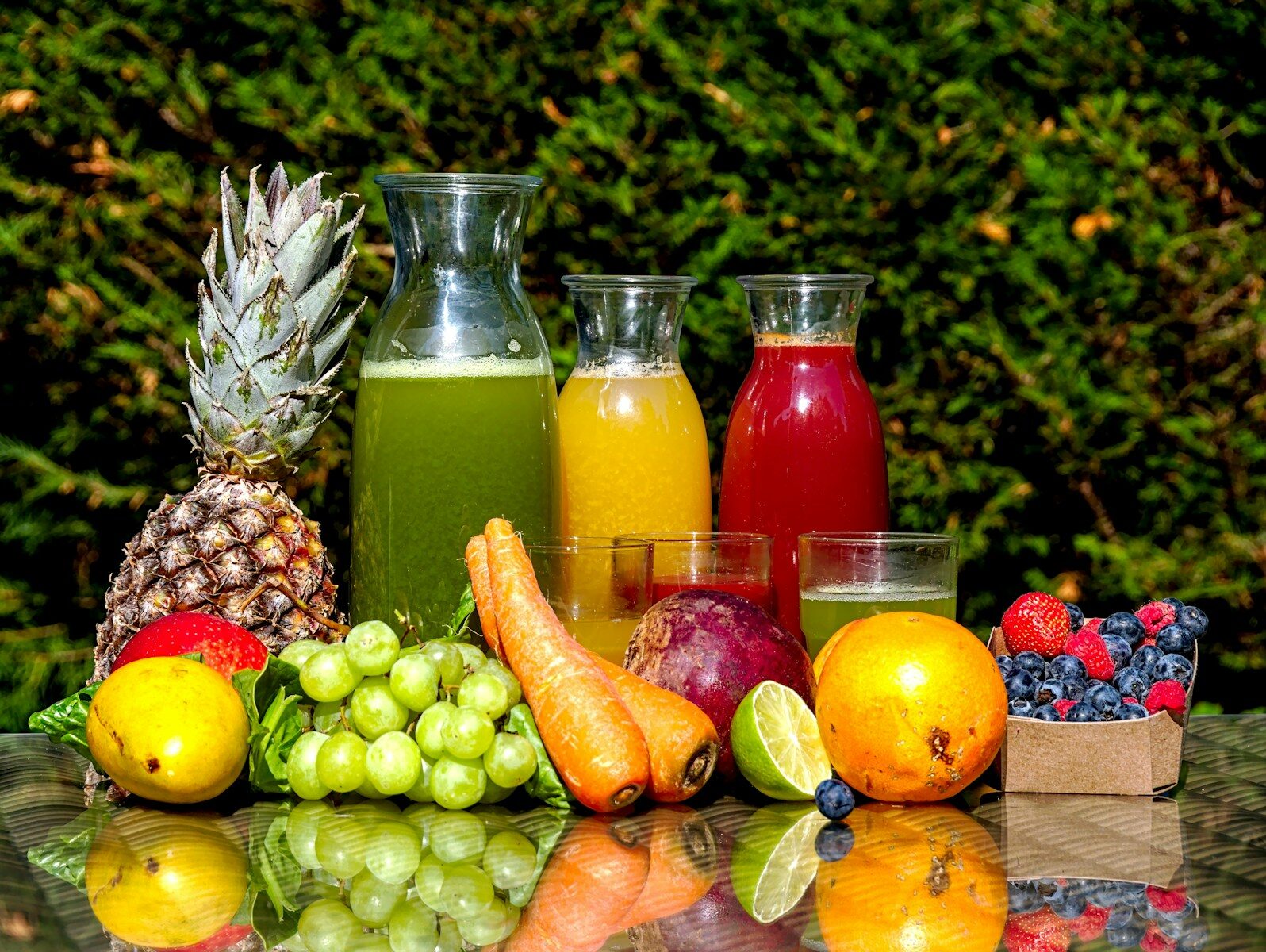
While 100% fruit juice does contain beneficial vitamins and plant compounds, it’s also a concentrated source of free sugar. And because juicing removes most of the fibre, it’s very easy to drink the equivalent of several pieces of fruit in just one glass.
Some studies have linked higher juice intake with cancer risk:
- In the French NutriNet-Santé study, each extra 100mL of 100% fruit juice a day was linked with a 12% higher risk of cancer overall (9).
- The 2023 meta-analysis also found a link with overall cancer risk, although the evidence was graded as low or very low certainty (10).
However, other studies have found no clear link — for example, fruit juice wasn’t linked with early-onset bowel cancer in the Nurses’ Health Study II (11). So the evidence here is far from conclusive.
Even so, the WCRF advises against drinking fruit juice in large quantities, as even without added sugar, it’s likely to promote weight gain in a similar way to sugary drinks (8).
Whole fruit, on the other hand, is a completely different story.
When we eat fruit in its natural form, we get the fibre, water, antioxidants, and other beneficial plant compounds all together. The fibre slows down how quickly the sugar is absorbed, and whole fruit is far more filling than juice.
In fact, a large meta-analysis found that eating more fruit and vegetables was linked with a lower risk of cancer overall, with benefits seen up to around 600g a day (14). The WHO also deliberately excludes the sugars in fresh fruit and vegetables from its sugar guidelines, as there’s no evidence they cause harm (7).
So there’s no need to fear the natural sugar in whole fruit — it’s an important part of a healthy, cancer-protective diet!
Our advice? Enjoy plenty of whole fruit, and think of fruit juice as an occasional treat in a small glass, rather than your everyday drink.

What about artificial sweeteners?
This is where things get a little more complicated…
Artificial sweeteners such as aspartame, sucralose, acesulfame-K and saccharin are widely used to replace sugar in foods and drinks. They’re often marketed as a healthier alternative, as they provide sweetness with few or no calories, and generally have less impact on blood sugar levels.
But are they better for our long-term health?
The Studies That Raised Concern
In 2022, the same French research team followed more than 102,000 adults for almost eight years. They found that higher consumers of artificial sweeteners had a 13% higher risk of cancer overall, compared with people who didn’t consume them (15).
The links were seen mainly for aspartame (15% higher risk) and acesulfame-K (13% higher risk), with aspartame also linked to a higher risk of breast cancer and obesity-related cancers.
However, it’s worth noting that the same group’s earlier study found no link between diet drinks and cancer (9). And while the 2023 meta-analysis found a link between artificially sweetened drinks and leukaemia, it concluded the evidence for specific cancers was uncertain (10).
The Bigger Picture
When we step back and look at the whole body of research, the picture is slightly more reassuring.
A 2025 umbrella review pooled together 10 meta-analyses (covering 35 datasets), and found no significant overall link between artificial sweeteners and cancer risk — and this was consistent across different types of studies (16).
The WCRF has reached a similar conclusion, stating there’s currently no strong evidence in humans that artificially sweetened drinks cause cancer. However, it also notes that the evidence they help prevent weight gain is inconsistent (8).
This doesn’t mean every sweetener has been proven 100% safe in every situation though.
The umbrella review authors cautioned that grouping lots of sweeteners together can hide differences between individual compounds, and only three of the 10 reviews were rated as high quality.
Different sweeteners may well have different effects in the body, and more research is needed.
But equally, single observational studies shouldn’t be taken as proof that artificial sweeteners cause cancer.
The Aspartame Headlines: What Do They Really Mean?
You may remember the headlines in July 2023, when IARC classified aspartame as “possibly carcinogenic to humans” (Group 2B).
Understandably, this caused a lot of concern!
But what often wasn’t explained, is what this classification actually means.
IARC’s decision was based on limited evidence in humans (specifically for one type of liver cancer), along with limited evidence from animal and laboratory studies (17, 18).
IARC classifications tell us how strong the evidence is that something could cause cancer — but they don’t tell us how likely someone is to develop cancer from eating or drinking typical amounts.
At the same time, the WHO/FAO expert committee responsible for food additive safety (JECFA) reviewed the evidence, and kept the existing acceptable daily intake for aspartame of 40mg per kg of body weight. To put that into context, a 70kg adult would need to drink more than 9–14 cans of diet soft drink every day to exceed it (assuming no other sources) (17).
Both groups agreed that better, longer-term studies are needed.
The WHO’s Broader Advice On Sweeteners
Separately, in 2023 the WHO also advised against relying on non-sugar sweeteners to control body weight, or to reduce the risk of chronic diseases (19).
Its review found no long-term benefit for reducing body fat – contrary to how these are marketed as ‘diet drinks’ or ‘diet products’!
Importantly, this advice is separate from the question of whether individual sweeteners cause cancer, which is still under ongoing research.
Our advice?
Limit or avoid them if possible until we know more, and choose water or unsweetened drinks like herbal teas wherever possible.
What About Stevia and Monk Fruit?
And what about more “natural” alternatives, such as stevia and monk fruit?
While these come from plants rather than a lab, they’re still concentrated sweeteners — and the WHO guideline specifically includes stevia and other naturally derived sweeteners (19).
Being natural doesn’t automatically mean they’re better for our long-term health.
The bottom line?
Rather than swapping all the sugar in your diet for sweeteners, instead aim to gradually reduce your reliance on intensely sweet foods and drinks overall.
But as always balance is important, and there’s no need to panic if you occasionally enjoy a diet drink – just make it a treat, not an every day food.

So… What Actually Helps Reduce Cancer Risk?
Now we’ve explored what the research says, it’s time to look at what we can actually do about it.
The encouraging thing is that you don’t need to eat a perfect diet, or cut out every gram of sugar.
In fact, when it comes to cancer prevention, the evidence is much stronger for our overall diet and lifestyle patterns than for avoiding any single ingredient.
The WCRF estimates that around 40% of cancer cases could be prevented through healthier lifestyles and supportive environments (20).
Here’s where to start:
1. Swap Sugary Drinks For Water or Unsweetened Alternatives
This is one of the simplest and most effective changes you can make. Try sparkling water with a squeeze of lemon or lime, herbal teas, or tea and coffee without added sugar.
2. Fill Up On Fibre
Fibre deserves a special mention!
A landmark series of reviews led by researchers at New Zealand’s University of Otago found that people eating the most fibre had a 15–30% lower risk of early death, heart disease, stroke, type 2 diabetes and bowel cancer, compared with those eating the least (21).
The greatest benefits were seen with at least 25–29g of fibre a day — yet most of us eat less than 20g (22).
Great sources include vegetables, whole fruit, legumes, nuts, seeds and wholegrains (for more tips on fibre and gut health, check out our article here).
3. Look Beyond Sugar to Ultra-Processed Foods
It’s also worth thinking about the foods that added sugar often comes packaged in.
In the NutriNet-Santé study, every 10% increase in the proportion of ultra-processed foods in the diet was linked with a 12% higher risk of cancer overall, and an 11% higher risk of breast cancer (23). Many of these foods are high in added sugar, refined starch and salt, and low in fibre.
Hint — common hidden sources of added sugar include breakfast cereals, flavoured yoghurts, sauces and snack bars. Checking labels can be a real eye-opener!
4. Support Your Metabolic Health
Regular movement, good quality sleep, managing stress, and eating balanced meals with plenty of protein and fibre all help to improve insulin sensitivity and maintain a healthy body composition — without the need for crash diets or restrictive eating.
5. Enjoy Sweet Foods Mindfully
There’s no need to cut out treats altogether! Enjoying sweet foods mindfully, as part of an overall balanced diet, is far more sustainable (and enjoyable) than strict rules.
And remember, there are other important factors in cancer prevention too — including limiting alcohol, not smoking, being sun smart, and keeping up with recommended screening.

Should You Cut Out Sugar If You’ve Been Diagnosed With Cancer?
If you or someone you love has been diagnosed with cancer, it’s completely understandable to want to do everything possible to improve the chances of a good outcome.
And often, one of the first questions people ask is:
Should I stop eating sugar to prevent my cancer from growing?
The short answer is no — you don’t need to totally eliminate sugar or carbohydrates from your diet after a cancer diagnosis.
But that doesn’t mean your diet and metabolic health aren’t important.
In fact, there’s growing interest in how our body’s metabolic environment — including blood glucose, insulin levels, inflammation and body composition — may influence cancer development, progression and response to treatment.
Let’s look at what we know.
Why Metabolic Health Matters in Cancer
We’ve already discussed how cancer cells often use glucose differently from healthy cells.
But there’s another important piece to this puzzle.
It’s not simply the amount of sugar we eat that matters, but also how our body processes and responds to it.
Insulin, for example, isn’t just a hormone that helps regulate blood sugar. It also plays a role in cell growth and signalling pathways that can influence how cells divide and survive.
Chronically elevated insulin levels, often associated with insulin resistance, may stimulate pathways involved in cancer growth. Insulin resistance is also associated with increased inflammation and changes in other growth-related hormones.
Research suggests that metabolic dysfunction is common in people with cancer and may be associated with poorer outcomes, including increased recurrence risk and reduced survival in some cancers.
A 2023 systematic review for example, highlighted insulin resistance as an important, but often overlooked, aspect of cancer care.
However, it’s important to recognise that these associations don’t prove that lowering insulin or blood glucose will actually prevent a cancer from progressing.
Cancer itself, some cancer treatments, reduced physical activity and changes in body composition can all influence metabolic health, making these relationships complicated.
Nevertheless, supporting good metabolic health may have benefits beyond cancer itself — including reducing cardiovascular risk, managing diabetes, preserving physical function and improving overall wellbeing.
If you’d like to read more about insulin resistance and how to support your metabolic health, please see our article here.
What About Low-Carb and Ketogenic Diets?
This is where the research gets particularly interesting.
Ketogenic diets are very low in carbohydrates (often less than 20–50g per day), relatively high in fat, and designed to shift the body towards using ketones as an alternative energy source.
The theory is that reducing carbohydrate intake lowers blood glucose and insulin levels, potentially making the body’s metabolic environment less favourable for certain cancers.
Laboratory and animal research has suggested that some tumours may be particularly vulnerable to changes in glucose availability or metabolic signalling.
But there’s an important catch.
Not all cancers behave the same way.
Different tumours use different combinations of glucose, fats, amino acids and other fuels. Some cancer cells can also use ketones, meaning that achieving ketosis doesn’t necessarily deprive a tumour of energy.
And what looks promising in laboratory studies doesn’t always translate into better outcomes for people living with cancer.
So What Do Human Studies Show?
So far, the results are interesting, but far from conclusive.
A 2024 systematic review and meta-analysis examined eight randomised controlled trials investigating ketogenic diets in people with cancer.
The researchers found that ketogenic diets reduced blood glucose levels, but didn’t produce significant improvements in several other measures, including insulin-like growth factor-1, weight or quality of life.
The authors concluded that there was insufficient evidence to establish clear clinical benefits.
A more recent 2025 systematic review and meta-analysis reported improvements in several metabolic and patient-reported measures, including blood glucose, insulin levels and body fat, among patients following ketogenic diets.
While encouraging, these findings don’t establish that ketogenic diets improve cancer survival or prevent recurrence.
The studies we have so far remain relatively small, involve different cancer types and dietary protocols, and often focus on metabolic markers rather than long-term cancer outcomes.
Researchers have also been investigating ketogenic diets in glioblastoma, an aggressive type of brain cancer.
A small 2025 clinical trial involving 17 patients suggested that a carefully supervised ketogenic diet could be feasible alongside standard treatment, without excessive weight loss in the participants studied. However, because the trial had no control group, it couldn’t establish whether the diet improved survival.
So while the metabolic approach to cancer treatment is a fascinating area of research, we don’t currently have convincing evidence that a ketogenic diet can slow cancer progression, improve survival or prevent recurrence.
The American Society of Clinical Oncology (ASCO) has similarly concluded that evidence supporting specific diets, including ketogenic approaches, during active cancer treatment remains very limited.
Could Reducing Refined Carbohydrates Still Be Helpful?
Potentially, yes — especially for people who have insulin resistance, type 2 diabetes or other metabolic health concerns.
And importantly, improving metabolic health doesn’t necessarily require a ketogenic diet.
For many people, simply reducing sugary drinks, highly refined carbohydrates and excess added sugar — while eating more fibre-rich, minimally processed foods — can support better blood glucose regulation and insulin sensitivity.
A moderately lower-carbohydrate eating pattern may also be appropriate for some people, depending on their metabolic health, nutritional status and cancer treatment.
But there’s a big difference between reducing added sugar and eliminating nutritious carbohydrate-rich foods.
Vegetables, whole fruit, legumes and wholegrains provide fibre, vitamins, minerals and beneficial plant compounds that support our health in ways that go far beyond their carbohydrate content.
And there’s currently no good evidence that cutting these foods out improves cancer outcomes.
An Important Caution During Cancer Treatment
One of the biggest concerns with restrictive diets during cancer treatment is the risk of unintentional weight loss and malnutrition.
Cancer and its treatments can increase nutritional needs, affect appetite and make it harder to maintain muscle mass – sometimes leading to a condition called cachexia, where significant amounts of weight are lost unintentionally.
And losing muscle, or becoming underweight during treatment can affect strength, recovery, quality of life and the ability to tolerate treatment.
This is why European Society for Clinical Nutrition and Metabolism (ESPEN) guidelines emphasise the importance of identifying nutritional risk early, maintaining adequate energy and protein intake, and specifically avoiding restrictive diets that may worsen malnutrition.
For someone who is already losing weight, struggling to eat or experiencing significant treatment side effects, getting enough nourishment is usually far more important than restricting carbohydrates.
This is why anyone considering a ketogenic diet or significant carbohydrate restriction during cancer treatment should discuss it with their oncology team and an oncology dietitian.
So, What’s Our Advice?
If you’ve been diagnosed with cancer, there’s no need to fear every gram of sugar or feel guilty about enjoying something sweet.
Rather than focusing on starving cancer cells, we would encourage you to focus on nourishing your body and supporting your overall metabolic health.
For most people, this means:
- Eating a varied, predominantly whole-food diet with plenty of vegetables, fruit, legumes and other fibre-rich foods.
- Limiting sugary drinks and excessive added sugars, without becoming overly restrictive.
- Including adequate protein to help preserve muscle mass and support recovery.
- Staying physically active where possible, with movement adapted to your health and treatment.
- Managing existing conditions such as diabetes and insulin resistance, with appropriate medical support.
- Prioritising adequate nutrition and avoiding unintentional weight loss during treatment.
And if you’re interested in a lower-carbohydrate approach for metabolic reasons, this can be individualised with your healthcare team — it doesn’t have to mean following a strict ketogenic diet.
The bottom line?
Metabolic health is an important and evolving area of cancer research, and there are good reasons to support healthy blood glucose regulation, insulin sensitivity and body composition.
But improving metabolic health is not the same as treating cancer, and we don’t yet have convincing evidence that eliminating sugar or following a ketogenic diet improves cancer survival.
You deserve nutrition advice that supports your health and your treatment — without adding unnecessary fear, guilt or restriction at an already difficult time.
Putting It All Together
Sugar and cancer is a topic surrounded by fear — but the research tells a much more balanced story.
Here’s what you need to know:
- Sugar doesn’t directly “feed” cancer — all of our cells need glucose, and cutting out sugar won’t starve cancer cells. Cancer cells do use glucose for energy, but eating sugar doesn’t selectively feed tumours, and eliminating all dietary sugar hasn’t been shown to starve cancer or improve survival
- Eating lots of added sugar over time may increase cancer risk, mainly through excess body fat and poor metabolic health.
- Sugary drinks have the strongest evidence — and are the easiest place to start cutting back.
- Whole fruit is protective, while fruit juice is best kept as an occasional treat.
- Artificial sweeteners don’t appear to be the cancer risk the headlines suggested — but they’re not a long-term solution either.
- Your overall diet and lifestyle matter far more than any single ingredient.
- If you’ve been diagnosed with cancer, taking steps to improve your metabolic health can be helpful, provided it doesn’t include very restrictive diets, or unhealthy weight loss, and provided you discuss any significant diet or lifestyle changes with your oncology team
We don’t need to be afraid of sugar. But we do need to be mindful of how much added sugar we’re regularly eating, and what it’s replacing in our diets.
Cancer is a complex disease with many contributing factors, and no single food determines whether someone develops it.
And if you, or someone you love, has been diagnosed with cancer, please don’t interpret this research as meaning that something you ate caused it.
Cancer can still happen to people to people who’ve ‘done everything right’ – as it’s complex and multifactorial in many cases.
Ultimately, the most helpful approach is to move away from thinking of foods as “good” or “bad”, and instead focus on small, sustainable changes that genuinely support your health, and help you feel well.
Because when it comes to nutrition, what we do consistently matters far more than what we eat occasionally.
Want To Take Control Of Your Sugar Intake?
If this article has made you curious about how sugar is affecting your own health, why not check out our 14 day Sugar Challenge?
This is not another diet or detox – and it’s not about giving up everything sweet, counting calories, or following another restrictive diet.
Instead, we’ll walk you through how sugar affects your metabolic health, energy, cravings and wellbeing, along with lots of practical ways to reduce added sugar without feeling deprived.
You’ll also get delicious recipes, easy food swaps, and guidance to help you make lasting changes.
There’s an optional discounted continuous glucose monitor (CGM) add-on too, if you’d like to see your own blood sugar responses to different foods in real time (available in New Zealand and Australia only).
Find out more about our 14-Day Sugar Challenge here
You can also check out our Nutrition course (with over 60 delicious plant-based recipes), our signature Reboot course, or book a 1:1 consultation (NZ wide).
And if you’ve found this article helpful, please feel free to share it with friends and family, or let us know your thoughts at hello@yourlifestylemedics.com — we’d love to hear from you!
Every small step you take to improve your health can make a big difference ❤️
References:
- Cancer Research UK. Sugar and cancer – what you need to know. Updated August 2023. https://news.cancerresearchuk.org/2023/08/16/sugar-and-cancer-what-you-need-to-know/
- Liberti MV, Locasale JW. The Warburg Effect: How Does it Benefit Cancer Cells? Trends Biochem Sci. 2016 Mar;41(3):211-218. doi: 10.1016/j.tibs.2015.12.001. PMID: 26778478.
- Huang Y, Chen Z, Chen B, Li J, Yuan X, Li J, et al. Dietary sugar consumption and health: umbrella review. BMJ. 2023;381:e071609. doi: 10.1136/bmj-2022-071609.
- Lauby-Secretan B, Scoccianti C, Loomis D, Grosse Y, Bianchini F, Straif K. Body Fatness and Cancer – Viewpoint of the IARC Working Group. N Engl J Med. 2016 Aug 25;375(8):794-798. PMID: 27557308.
- Debras C, Chazelas E, Srour B, et al. Total and added sugar intakes, sugar types, and cancer risk: results from the prospective NutriNet-Santé cohort. Am J Clin Nutr. 2020 Nov;112(5):1267-1279. doi: 10.1093/ajcn/nqaa246. PMID: 32936868.
- Goncalves MD, Lu C, Tutnauer J, et al. High-fructose corn syrup enhances intestinal tumor growth in mice. Science. 2019 Mar 22;363(6433):1345-1349. doi: 10.1126/science.aat8515. PMID: 30898933.
- World Health Organization. WHO calls on countries to reduce sugars intake among adults and children. 4 March 2015. https://www.who.int/news/item/04-03-2015-who-calls-on-countries-to-reduce-sugars-intake-among-adults-and-children
- World Cancer Research Fund. Limit sugar-sweetened drinks: recommendation evidence. https://www.wcrf.org/research-policy/evidence-for-our-recommendations/limit-sugar-sweetened-drinks/
- Chazelas E, Srour B, Desmetz E, et al. Sugary drink consumption and risk of cancer: results from NutriNet-Santé prospective cohort. BMJ. 2019 Jul 10;366:l2408. doi: 10.1136/bmj.l2408. PMID: 31292122.
- Pan B, Lai H, Ma N, et al. Association of soft drinks and 100% fruit juice consumption with risk of cancer: a systematic review and dose-response meta-analysis of prospective cohort studies. Int J Behav Nutr Phys Act. 2023 May 15;20(1):58. doi: 10.1186/s12966-023-01459-5. PMID: 37189146.
- Hur J, Otegbeye E, Joh HK, et al. Sugar-sweetened beverage intake in adulthood and adolescence and risk of early-onset colorectal cancer among women. Gut. 2021 Dec;70(12):2330-2336. PMID: 33958435.
- Gweon TG, et al. Association between sugar-sweetened and artificially sweetened beverage intake and gastric cancer incidence. Gastro Hep Advances. 2026. doi: 10.1016/j.gastha.2026.101097.
- Mass General Brigham. Daily sugar-sweetened beverages linked to higher risk of stomach cancer [press release]. August 2026. https://www.massgeneralbrigham.org/en/about/newsroom/press-releases/daily-sugar-sweetened-beverages-higher-risk-of-stomach-cancer
- Aune D, Giovannucci E, Boffetta P, et al. Fruit and vegetable intake and the risk of cardiovascular disease, total cancer and all-cause mortality – a systematic review and dose-response meta-analysis of prospective studies. Int J Epidemiol. 2017 Jun 1;46(3):1029-1056. doi: 10.1093/ije/dyw319. PMID: 28338764.
- Debras C, Chazelas E, Srour B, et al. Artificial sweeteners and cancer risk: results from the NutriNet-Santé population-based cohort study. PLoS Med. 2022 Mar 24;19(3):e1003950. doi: 10.1371/journal.pmed.1003950. PMID: 35324894.
- Abu-Zaid A, Kutbi E, Alshammari N, et al. The association of artificial sweeteners intake and risk of cancer: an umbrella meta-analysis. Front Med (Lausanne). 2025;12:1647178. doi: 10.3389/fmed.2025.1647178. PMID: 40988757.
- World Health Organization. Aspartame hazard and risk assessment results released. 14 July 2023. https://www.who.int/news/item/14-07-2023-aspartame-hazard-and-risk-assessment-results-released
- Riboli E, et al. Carcinogenicity of aspartame, methyleugenol, and isoeugenol. Lancet Oncol. 2023. PMID: 37454664.
- World Health Organization. WHO advises not to use non-sugar sweeteners for weight control in newly released guideline. 15 May 2023. https://www.who.int/news/item/15-05-2023-who-advises-not-to-use-non-sugar-sweeteners-for-weight-control-in-newly-released-guideline
- World Cancer Research Fund. Our Cancer Prevention Recommendations. https://www.wcrf.org/preventing-cancer/cancer-prevention/our-cancer-prevention-recommendations/
- Reynolds A, Mann J, Cummings J, Winter N, Mete E, Te Morenga L. Carbohydrate quality and human health: a series of systematic reviews and meta-analyses. Lancet. 2019 Feb 2;393(10170):434-445. PMID: 30638909.
- University of Otago. High intake of dietary fibre and whole grain foods reduces risk of non-communicable diseases. 11 January 2019. https://www.otago.ac.nz/news/newsroom/11-january-2019-high-intake-of-dietary-fibre-and-whole-grain-foods-reduces-risk-of-non-communicable-diseases
- Fiolet T, Srour B, Sellem L, et al. Consumption of ultra-processed foods and cancer risk: results from NutriNet-Santé prospective cohort. BMJ. 2018 Feb 14;360:k322. doi: 10.1136/bmj.k322.
- 24\. Mikkelsen MK, et al. Insulin resistance in patients with cancer: a systematic review and meta-analysis. Acta Oncol. 2023. PMID: [37042166]
- 25\. Salido-Bueno B, et al. Effects of ketogenic diets on cancer-related variables: A systematic review and meta-analysis of randomised controlled trials. Nutr Bull. 2024;49:264–277. PMID: [38923748]
- 26\. Zhang M, et al. Impact of ketogenic diets on cancer patient outcomes: a systematic review and meta-analysis. Front Nutr. 2025. PMID: [40756563]
- 27\. A phase 1 safety and feasibility trial of a ketogenic diet plus standard of care for patients with recently diagnosed glioblastoma. 2025. PMID: [40595067]
- 28\. Ligibel JA, et al. Exercise, Diet, and Weight Management During Cancer Treatment: ASCO Guideline. J Clin Oncol. 2022;40:2491–2507. PMID: [35576506]
- 29\. Muscaritoli M, et al. ESPEN practical guideline: Clinical Nutrition in cancer. Clin Nutr. 2021;40:2898–2913. PMID: [33946039]