

What If It’s Not Just Hormones?
Understanding The Missing Pieces of Perimenopause
Perimenopause is often spoken about as a purely hormonal story.
But for many women, that explanation alone doesn’t fully capture what’s happening in their bodies.
Yes, shifting levels of oestrogen and progesterone play an important role.
But focusing on hormones in isolation can leave many of the most frustrating symptoms—fatigue, brain fog, weight changes, mood shifts, and disrupted sleep—poorly understood and often inadequately addressed.
That’s because perimenopause is not just a reproductive transition.
It is a whole-body shift that affects metabolism, nutrient status, and how the body responds to stress, food, and lifestyle overall.
This is why two women with similar hormone levels can feel completely different.
It’s also why being told your hormones are “normal” doesn’t always match how you feel.
To truly understand perimenopause, we need to zoom out.
We need to look beyond hormones and start asking deeper questions:
- How is your body managing blood sugar?
- Is low-grade inflammation present?
- Are there underlying nutrient deficiencies?
- Is your metabolism adapting—or struggling?
These are the layers that often explain the “why” behind symptoms.
When we begin to explore metabolic health and nutrient status alongside hormones, patterns start to emerge. What once felt confusing becomes clearer. Symptoms become more predictable—and importantly, more actionable.
This more complete, systems-based approach allows for targeted, personalised support that goes beyond short-term symptom relief. It helps build a foundation for long-term health, resilience, and disease prevention.
Because perimenopause isn’t just something to get through.
It’s an opportunity to understand your body on a deeper level—and to support it in a way that truly lasts.
Perimenopause is a metabolic transition
While perimenopause is often framed as a hormonal shift, it is just as much a metabolic transition—and this is one of the most overlooked aspects of women’s health.
Because hormones don’t work in isolation.
As oestrogen fluctuates and gradually declines, it has a ripple effect across multiple systems in the body.
Oestrogen plays a key role in regulating insulin sensitivity, fat distribution, inflammation, cholesterol, and cardiovascular health.
When levels change, these systems can become less efficient, leading to subtle but important shifts in how your body processes energy.
This is why many women notice changes such as:
- Increased abdominal fat storage
- Changes in blood sugar regulation and cravings
- Reduced metabolic flexibility (feeling more sensitive to diet and stress)
- Slower recovery and lower energy levels
- More inflammation
- Gradual increases in cardiovascular risk markers
These changes often happen gradually and can easily be missed if you’re only focusing on reproductive hormones.
Importantly, metabolic changes can begin years before menopause is reached—which means that early identification is key.
If undetected, poor metabolic health can significantly increase the risk of many chronic health issues, including:
- Insulin resistance
- Type 2 diabetes
- Metabolic syndrome
- Cardiovascular disease
- Dementia
Fortunately though, up to 80% of these conditions are preventable through diet and lifestyle changes – so testing and proactive management becomes essential!
Metabolic testing can provide objective and valuable insights into how your body is functioning beneath the surface. It helps identify early signs of insulin resistance, inflammation, or lipid changes—often well before symptoms become obvious or more advanced disease develops.
This can include basic markers such as lipids, HbA1c, and liver function tests, as well as more specialised tests like fasting glucose, fasting insulin, Apo B, and hs-CRP, to give a clearer picture of your metabolic and cardiovascular health.
Addressing metabolic health early is also one of the most powerful ways to:
- Support long-term cardiovascular health
- Reduce risk of type 2 diabetes
- Maintain a healthy body composition
- Improve energy, mood, and cognitive function
- Enhance overall resilience during this transition
In other words, metabolic testing is not optional—it is foundational to understanding perimenopause properly.
Without it, a significant part of the picture is missing.
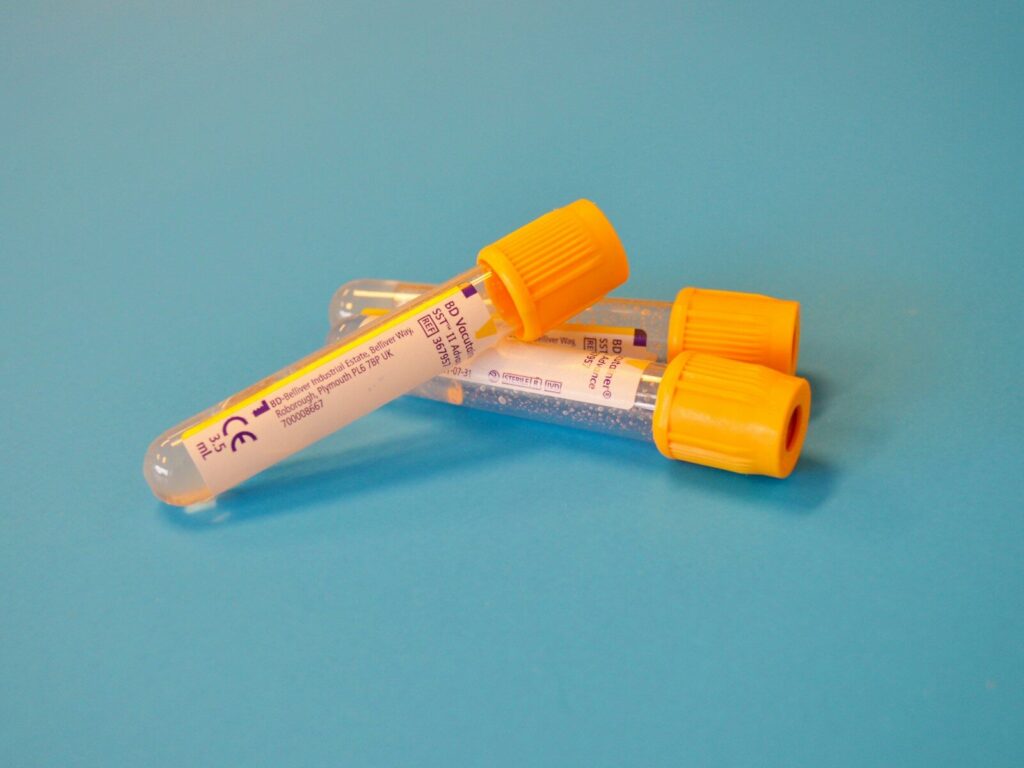
What to test (and optimal ranges to aim for)
When it comes to perimenopause, some of the most important insights don’t come from hormone levels—but from how your body is managing energy.
(Please note testing units and funding information applies to New Zealand – check with your health provider or local laboratory for details specific to your area if you are in a different region.)
Blood Sugar And Insulin: At The Root Of Metabolic Health
Healthy blood sugar regulation is vital for good metabolic health, however subtle disruptions in blood sugar are incredibly common in perimenopause and menopause —and are often missed until major issues develop.
This is because fluctuating oestrogen levels—and the eventual decline—can reduce insulin sensitivity (how well your body processes and uses sugars and carbohydrates), by impairing how effectively cells take up glucose, and promoting increased visceral (tummy) fat.
At the same time, falling progesterone can disrupt your HPA (stress response) axis, leading to higher cortisol levels, which further impact blood sugar regulation.
In some women (particularly those with a history of PCOS), relatively higher androgen levels such as testosterone may worsen insulin resistance.
To add fuel to the fire, sleep disturbance (common in perimenopause and menopause), can reduce insulin sensitivity by up to 25–30%, due to increased inflammation and disrupted circadian rhythms.
Together, these changes help explain why blood sugar control can become so much more challenging during perimenopause.
Insulin resistance can develop years before standard testing shows there’s an issue – yet it’s also highly reversible if detected early.
Markers like fasting glucose, HbA1c, and fasting insulin give you a window into blood sugar control and insulin sensitivity—two key drivers of energy, weight regulation, mood, and long-term health.
This is particularly important if you have any of the following risk factors for insulin resistance:
- Obesity (especially if you carry your weight around your tummy)
- Family history of diabetes (type 2 or gestational)
- A history of polycystic ovary syndrome (PCOS)
- A history of gestational diabetes
Here’s some basic as well as more advanced tests to talk to your doctor about, and the levels to aim for:
Essential testing:
- HbA1c: optimal <35mmol/mol
This shows your average blood sugar over the past 2–3 months. It’s useful for identifying longer-term patterns that a single glucose reading might miss. While ‘abnormal’ blood sugar levels aren’t technically diagnosed until HbA1C >40mmol/mol, levels between 35-40mmol/mol may indicate that early issues with glucose metabolism are developing.
More advanced testing (usually not funded)
- Fasting glucose: ideally <5.5 mmol/L
This reflects your baseline blood sugar after an overnight fast. Even within the “normal” range, higher levels can indicate early dysregulation and predict future health issues. - Fasting insulin: ideally <25–50 pmol/L
This is one of the most underutilised markers. Elevated insulin can be an early sign of insulin resistance—even when glucose and HbA1c still appear normal. Fasting insulin and glucose levels can be used to calculate your HOMA-IR ratio, which can give key insights into your metabolic health. - HOMA-IR ranges:
- Optimal: <1.0–1.5
- Insulin resistance: >2.0
Together, these markers can often help explain symptoms like fatigue, cravings, weight gain, and energy crashes—symptoms that are frequently attributed to hormones alone, but are deeply rooted in metabolic health.
And if issues are detected, wearable devices such as continuous glucose monitors (CGMs) can identify what may be driving them, and what can help – putting the power back into your hands.
To learn more about insulin resistance, please check out our blog post here.

Cardiovascular risk: Why cholesterol matters.
Standard cholesterol tests are a great baseline marker to check, but they’re just the starting point – and don’t always tell the full story when it comes to heart health in women.
As oestrogen levels decline during menopause, cardiovascular risk naturally rises, making it even more important to identify hidden risk factors early. This is particularly crucial as heart disease is the leading cause of death in women, yet traditional cardiovascular risk calculators may underestimate women’s risk.
Hormonal changes also affect lipid metabolism, meaning LDL (“bad”) cholesterol can increase even when diet and lifestyle stay the same.
A standard lipid panel measures total cholesterol, LDL, HDL (“good” cholesterol), and triglycerides, here’s how to interpret it, and optimal ranges:
Why HDL Matters
HDL cholesterol plays a protective role by helping remove excess cholesterol from the bloodstream. But beyond looking at HDL alone, how it relates to other markers can give deeper insight into your metabolic and cardiovascular health.
One useful—but often overlooked—marker you can calculate from a standard test is your triglyceride-to-HDL ratio (triglycerides ÷ HDL).
This ratio can:
- Highlight early signs of insulin resistance
- Provide insight into metabolic health
- Help identify cardiovascular risk that may not be obvious from LDL alone
Optimal triglyceride-to-HDL ratio: <0.8
Another valuable metric is the total cholesterol-to-HDL ratio (total cholesterol ÷ HDL), which gives a broader picture of overall cardiovascular risk by balancing “good” against total cholesterol.
General guide for total cholesterol-to-HDL ratio:
- Ideal: ~3.0–3.5
- Average risk: ~4.0–5.0
- Higher risk: >5.0
This ratio can be particularly helpful when total cholesterol appears elevated. For example, a higher total cholesterol level alongside strong HDL may represent a lower risk profile than it initially seems, whereas a lower HDL can significantly increase risk—even if total cholesterol is within range.
Together, these ratios provide a more nuanced understanding of cardiovascular and metabolic health than individual numbers alone.
But while these measure total cholesterol and LDL levels, and can be great for getting an idea of baseline risk, they don’t fully reflect the total number of small atherogenic (plaque causing) particles circulating in your blood.
This is where Apo B and lipoprotein (a) testing can be helpful too.
- ApoB reflects the number of small atherogenic particles (such as LDL and VLDL) that can enter artery walls and contribute to plaque formation and artery blockages. This is important because you can have “normal” LDL cholesterol but still have a high number of these particles once you go through menopause—and therefore be at higher hidden risk (see optimal ranges below)
- Apo B testing is now recommended in the following people, as it can help assess risk more accurately than LDL cholesterol alone:
- Diabetics
- People with metabolic syndrome
- People at high risk of heart disease (based on cardiovascular risk calculators)
- Those with elevated triglyceride cholesterol levels (>1.5mmol/L)
- People with a personal history or strong family history of heart disease
- If HDL cholesterol is low, or non LDL cholesterol is high
- If Lp (a) cholesterol is elevated (see below)
- In people at intermediate risk of heart disease who are considering whether statin medication is needed
- Lipoprotein(a), or Lp(a), is another often-overlooked but important marker to consider including in a perimenopause or menopause metabolic health check. Lp(a) is a genetically determined type of cholesterol particle that can significantly increase cardiovascular risk, independent of traditional markers like LDL or total cholesterol. Unlike other lipids, Lp(a) is not significantly influenced by diet or lifestyle, so a one-time test is usually sufficient to assess lifetime risk. In 2026, the American Cardiology Association has updated their guidelines to recommend testing lp (a) in all adults at least once in their lifetime.
Apo B and Lp(a) tests are not usually funded (free), however if you are able to, checking these at least once during perimenopause, then again after menopause,can be helpful if you want to take an in depth look at your cardiovascular health, and ways to reduce your own risk.
If you only get a standard lipid panel, a useful—but underutilised—marker that you can calculate, is your triglyceride to HDL ratio (calculated by dividing triglyceride cholesterol by HDL cholesterol).
This can give valuable insights into whether you have any early signs of insulin resistance, as well as looking at your overall metabolic health
A summary of optimal targets for cholesterol in women are:
- Total cholesterol: <5.0 mmol/L
- LDL cholesterol:
- <2.6 mmol/L for low /intermediate risk women
- <1.8 mmol/L for high risk women
- <1.4 mmol/L for very high risk women / those with known cardiovascular disease
- HDL cholesterol: >1.3 mmol/L
- Total cholesterol-to-HDL ratio: 3.0–3.5
- Triglycerides: <1.0 mmol/L
- Triglyceride to HDL ratio:<0.8
- Apo B: <0.9 g/L (for high risk people <0.8 g/L; if very high risk/known heart disease <0.65g/L)
- Lp(a): <125 nmol/L
If you are considering Lp(a) or apo B testing, or have any cholesterol readings outside these ranges, please talk to your doctor for more personalised advice.
While cholesterol levels can be impacted by genetics and hormonal changes, they are also highly responsive to diet and lifestyle changes (with the exception of Lp(a).
To learn more about cholesterol, including what can help improve your levels naturally, please check out our blog post here.

Inflammation: a hidden driver
Low-grade, chronic inflammation can be an important, yet hidden (and often overlooked) contributor to symptoms and overall health during perimenopause and menopause.
It often develops quietly, but can influence everything from mood and energy to metabolism, weight regulation, and long-term disease risk.
As oestrogen levels fluctuate and eventually decline, the body loses some of its natural anti-inflammatory protection. This can lead to a more pro-inflammatory internal environment, especially when combined with factors like increased visceral fat, blood sugar dysregulation, poor sleep, and chronic stress—all of which become more common during this transition.
This matters because inflammation sits at the centre of many of the changes women experience at this stage.
It can worsen insulin resistance, making blood sugar harder to control and increasing the likelihood of weight gain, particularly around the abdomen.
It also affects brain function, contributing to symptoms such as brain fog, low mood, and fatigue, and plays a key role in the development of cardiovascular disease and dementia—the risks of which rises significantly after menopause, alongside changes in blood pressure, cholesterol, and glucose metabolism.
It can even worsen hot flushes, night sweats, and weight gain.
Inflammation is typically assessed using a CRP (C-reactive protein) test, which is a good basic screen, and is usually funded (free).
General guide for standard CRP levels:
- Optimal / normal: <5.0 mg/L
- Mild elevation: 5–10 mg/L
- Moderate elevation: 10–50 mg/L
- Marked elevation: >50 mg/L
Standard CRP is more commonly used to detect acute inflammation or infection, however rather than subtle, chronic low-grade inflammation linked to cardiovascular disease and overall longterm health.
This is where high-sensitivity CRP (hs-CRP) becomes particularly useful. It is designed to detect lower levels of inflammation and provides a more accurate picture of chronic inflammatory burden. It may even play a role in improving longevity.
While not always routinely funded, hs-CRP can usually be requested through your healthcare provider and is a valuable addition to a comprehensive metabolic assessment.
- <1.0 mg/L → optimal (low cardiovascular risk)
- 1–3 mg/L → moderate risk
- >3.0 mg/L → increased risk
Even mildly elevated hs-CRP levels can signal underlying metabolic stress. When interpreted alongside markers like insulin, lipids (including ApoB), and waist circumference, it helps build a clearer picture of overall health risks.
An important caveat is that inflammation levels do naturally increase with age, however longevity research suggests
Ultimately, addressing inflammation—through nutrition, sleep, stress management, and metabolic health—can have a meaningful impact not just on long-term disease prevention, but also on how you feel day to day during perimenopause and beyond.

Thyroid function: the great mimic
Thyroid dysfunction is another common—and frequently missed—contributor to symptoms during perimenopause and menopause.
The challenge is that many of the classic signs of an underactive thyroid—fatigue, weight gain, low mood, brain fog, dry skin, and hair thinning—overlap almost perfectly with hormonal symptoms. In addition, thyroid dysfunction becomes much more common during perimenopause and menopause, affecting up to 25% of women, and also increasing the risk of future cardiovascular disease.
Fluctuating oestrogen levels influence thyroid-binding proteins, which can alter how much thyroid hormone is available to tissues. At the same time, increased stress and changes in cortisol can impair the conversion of T4 (the inactive form of thyroid hormone) into T3 (the active form your cells actually use).
This means many common symptoms are often attributed solely to shifting oestrogen and progesterone levels, and the thyroid is either not tested at all, or assessed too simplistically.
To test thyroid levels, most clinical guidelines suggest checking TSH (thyroid stimulating hormone) first, and only adding on a more comprehensive screen if TSH is abnormal.
The main issue with this though, is that ‘normal’ TSH ranges can vary widely from lab to lab, and often do not reflect ‘optimal’ levels. In addition, some studies suggest that using TSH as a sole screening test, may miss up to 18% of women with subclinical symptomatic hypothyroidism.
While TSH provides a useful overview of how the brain is signalling the thyroid, it also does not show how much active hormone is available or how well that hormone is being utilised. In contrast, adding T4 and T3 levels can give far more insight – and may correlate better with symptom control.
What to test/optimal ranges:
- TSH: optimal range ~0.5–2.5 mIU/L
- Free T4: ~12–18 pmol/L (with many women feeling best in the mid–upper range)
- Free T3: ~4.0–6.0 pmol/L (often optimal in the upper half of the range)
- Thyroid antibodies (TPO and Tg): to screen for autoimmune thyroid conditions such as Hashimoto’s, which become more common during midlife
Importantly, thyroid antibodies can be elevated for years before changes appear in TSH or thyroid hormone levels. Identifying this early allows for closer monitoring and early intervention.
Even subtle thyroid imbalances can have a significant impact on energy, metabolism, mood, and weight regulation.
When testing is incomplete, these issues are easily missed—leaving many women feeling dismissed or told their results are “normal,” despite ongoing symptoms.
Taking a more thorough approach to thyroid assessment can uncover hidden contributors and lead to more effective, targeted support during this transition.

Liver Health: A Window Into Metabolic Function
The liver plays a central role in metabolic health, yet it’s often overlooked in perimenopause and menopause assessments. Beyond detoxification, the liver is heavily involved in hormone metabolism, blood sugar regulation, and lipid processing—all of which are directly impacted during this life stage.
As oestrogen levels shift, changes in fat distribution, insulin sensitivity, and inflammation can place increased strain on the liver.
This is one reason why non-alcoholic fatty liver disease (NAFLD) becomes over twice as common during and after menopause, even in women who were previously metabolically healthy.
NAFLD ranges from simple fat accumulation (NAFL), which is often silent, to inflammatory forms (NASH/MASLD) that can progress to fibrosis and increase cardiometabolic risk.
Liver enzymes such as ALT and AST offer a valuable window into this process. However, it’s important to recognise that “normal” lab ranges are often broad, and early metabolic dysfunction can still be present within these limits.
Optimal liver markers:
- ALT: <20–25 U/L
- AST: <20–25 U/L
- GGT: <20–30 U/L
- ALP: 40–100 U/L
Even mild elevations—particularly in ALT and GGT—can signal early metabolic stress. This may reflect the development of fatty liver, reduced insulin sensitivity, or increased inflammatory burden.
Importantly, looking at ratios—particularly the AST:ALT ratio—can add further clinical insight: a ratio <1 is more commonly seen in fatty liver and metabolic dysfunction, while a ratio >1 may suggest more advanced liver stress, fibrosis, or alternative causes.
Patterns that include elevated GGT alongside ALT can further point toward increased oxidative stress and metabolic strain.
When interpreted alongside markers like triglycerides, insulin, and waist circumference, liver enzymes can provide an early warning sign of deeper metabolic dysfunction—often before more obvious symptoms appear.

Uric Acid: An Emerging Metabolic Marker
Uric acid is an often-overlooked marker that is gaining increasing recognition as an early indicator of metabolic health. While traditionally associated with gout, elevated uric acid levels are now understood to be closely linked with insulin resistance, inflammation, visceral fat, and cardiovascular risk.
During perimenopause and menopause, shifts in hormones, body composition, and insulin sensitivity can contribute to rising uric acid levels—sometimes well before changes are seen in more commonly tested markers like glucose or cholesterol.
This makes uric acid a useful affordable test to screen for metabolic dysfunction during perimenopause and beyond. It is important to note that ‘normal’ reported ranges (which are usually used for gout monitoring), tend to be well above the optimal ranges for metabolic health.
Optimal level:
- Uric acid: <0.24 mmol/L
Higher levels (above 0.3mmol/L) may indicate underlying metabolic dysfunction, even in the absence of symptoms.
Elevated uric acid has been associated with increased visceral fat, impaired blood sugar regulation, and a higher risk of developing type 2 diabetes and cardiovascular disease.
In perimenopausal women particularly, studies show that having a uric acid level over 0.3mmol/L more than doubles the odds of insulin resistance.
Including uric acid in a metabolic health assessment can provide an additional layer of insight—helping to identify early risk and guide more targeted lifestyle and nutritional interventions.

Nutrient Deficiencies: The Great Imitator
Nutrient deficiencies are one of the most common—and most overlooked—drivers of non hormonally based symptoms during perimenopause and menopause. What makes this particularly challenging is that many deficiencies present with symptoms that closely mirror hormonal changes, including fatigue, low mood, brain fog, poor sleep, and hair loss.
As a result, these symptoms are often attributed solely to fluctuating hormones, while underlying nutrient imbalances remain unrecognised.
This matters, because nutrients are foundational to nearly every physiological process in the body—from energy production and brain function to hormone metabolism and blood sugar regulation.
Even mild deficiencies can significantly affect how you feel – while checking and treating deficiencies is often straightforward, and can make a big difference to symptoms!
Key Nutrients to Check
A targeted approach to testing can help identify imbalances early and guide more effective interventions.
Vitamin B12
Optimal: >300–400 pmol/L
Vitamin B12 is essential for energy production, neurological function, and cognitive health. Low or suboptimal levels can contribute to fatigue, memory issues, low mood, and nerve-related symptoms such as tingling or numbness.
Absorption of B12 can decline with age, gastrointestinal changes, and certain medications—making deficiency more common in midlife.
B12 should be tested and interpreted alongside folate (see below), as vitamin B12 and folate are tightly linked in the same biochemical pathway—particularly in DNA synthesis and methylation— so an imbalance in one can “mask” a deficiency in the other.
Folate
Optimal: >1000 nmol/L
Folate plays a key role in DNA repair, mood regulation, and methylation processes, yet suboptimal folate levels are relatively common in the Western world, affecting up to 20% of people.
Low folate can be due to lack of dietary folate, malabsorption due to gastrointestinal issues, increased requirements, or as a side effect of some medications.
Folate deficiency are can cause fatigue, low mood, and impaired cellular repair, and can impact on brain health and longevity.
There are two ways to test folate – serum folate, or RBC folate.
Serum folate is more commonly used (and is often funded): but is affected by recent dietary/supplementary folate intake, meaning supplements containing folate need to be withheld for a few days prior, and you should eat your regular diet before testing.
RBC folate is not funded, but it reflects long-term folate status (over ~3 months), and is less affected by recent diet. RBC folate may be more relevant for looking at cognitive health, and cardiovascular risk (in combination with homocysteine – see below)
Optimal ranges:
Serum folate: 25–30 nmol/L
RBC folate: >1000 nmol/L
Iron Status (Ferritin)
Optimal: 50–100 ng/mL
Ferritin is one of those simple but powerful tests that’s often overlooked in perimenopause and menopause.
It reflects your body’s iron stores and can pick up low iron long before anemia shows up on standard blood tests.
That’s important, because symptoms like fatigue, brain fog, low mood, and poor exercise tolerance are often blamed on hormones—when low iron may actually be playing a big role.
In perimenopause, heavy or irregular periods are a very common cause of iron loss, and ferritin can easily drop below optimal levels (generally <50 ng/mL).
This can lead to symptoms like deep fatigue, hair thinning, restless legs, and reduced stamina—even when hemoglobin is still “normal.”
The upside is that, once identified, this is usually straightforward to treat with iron (often paired with vitamin C to improve absorption), aiming for a target range of around 50–100 ng/mL to support energy and cognitive function.
After menopause, things can shift.
Without monthly blood loss, ferritin levels often rise—sometimes quite significantly—which in some cases may contribute to inflammation or metabolic risk.
On the flip side, low ferritin after menopause (typically <20–50 ng/mL) is less common and should raise a flag for other causes like gastrointestinal blood loss or malabsorption, rather than simple depletion.
It’s also worth noting that iron isn’t something to supplement blindly—levels should always be monitored, as excess iron can be harmful.
Tracking ferritin across this transition helps separate hormonal symptoms from a correctable iron imbalance, so you can take the right approach at the right time.
Vitamin D
Optimal: 100–150 nmol/L
Vitamin D is one of those foundational nutrients that’s well worth checking during perimenopause and menopause.
As oestrogen declines, your body becomes less efficient at activating and using vitamin D, which can impact everything from bone health to mood, immunity, and muscle function.
On top of that, many women already have low levels due to limited sun exposure or diet—so it’s an easy one to miss.
Low vitamin D (often below ~75 nmol/L) is incredibly common and can quietly contribute to faster bone loss, increased osteoporosis risk, fatigue, low mood, brain fog, and even more intense hot flushes and poor sleep.
It also plays a role in serotonin production, which helps explain why low levels can affect how you feel day to day.
The good news is that identifying and correcting this can make a meaningful difference.
Aiming for optimal levels (around 100–150 nmol/L) has been shown to help preserve bone density, reduce fracture risk, and support muscle strength and immune health.
Testing means you can tailor supplementation—often around 2000–4000 IU of vitamin D3 daily—so you’re not guessing.
As testing is not funded, another option is to supplement at 1000-2000IU/day – this dose will usually provide adequate vit D without risking toxicity/overdose.
It’s a simple step that can have a surprisingly wide impact on how you feel and function during this transition.

Magnesium
Magnesium is another key nutrient that’s worth paying attention to during perimenopause—yet deficiency can be easy to miss.
As oestrogen declines, magnesium balance can be disrupted through effects on kidney reabsorption and insulin sensitivity, and an estimated 30–50% of women may fall short.
This can show up as symptoms that feel very “hormonal”—poor sleep, anxiety, irritability,migraines, muscle tension or cramps, insulin resistance, and even hot flushes.
Magnesium also plays a central role in calming the nervous system (via GABA), supporting melatonin production, and regulating cortisol, which helps explain its impact on sleep and stress.
Blood levels are tightly regulated, so even “normal” serum magnesium results can hide a functional deficiency.
This means , which is why aiming for levels in the upper half of the reference range (roughly >0.85–1.0 mmol/L) gives a better indication of adequacy.
Optimising magnesium—through diet (think nuts, seeds, leafy greens, around 300–400 mg/day) or supplementation (often 200–350 mg of a well-absorbed form like glycinate)—can make a noticeable difference to sleep quality, mood stability, and blood sugar control.
It also supports bone health (with around 60% of magnesium stored in the skeleton) and helps activate vitamin D, making it an important piece of the bigger picture.
As always, balance matters.
Supplemental magnesium is generally safe, but doses above ~350 mg/day can cause side effects in some people, so it’s best to individualise and adjust based on symptoms and response.
Magnesium also comes in different forms – magnesium glycinate is most often used for sleep; while magnesium threonate can be helpful for migraines and brain function
Zinc
Optimal: ~10–12+ µmol/L
Zinc is one of those quiet “behind-the-scenes” nutrients that can have a surprisingly big impact during perimenopause and menopause.
Even mildly low levels—often still within the normal lab range—can affect hormone balance, immunity, skin, and metabolic health. Aiming for levels in the mid-to-upper range (around ~10–12+ µmol/L) is generally a better reflection of adequacy.
As oestrogen declines, the body is already under more physiological stress, and zinc plays a key role in supporting many of the systems affected— including hormone signalling (both oestrogen and thyroid), immune function, collagen production, and blood sugar regulation.
When zinc is low, symptoms like fatigue, low mood, and irregular or more intense menstrual changes can creep in and are often mistaken for “just menopause.”
Suboptimal zinc can also show up in more visible ways—like hair thinning or shedding, brittle nails, acne or dry skin, slow wound healing, and getting sick more often or taking longer to recover.
It’s also important for thyroid function, so low levels can contribute to symptoms like low energy, cold sensitivity, and weight changes that overlap with both menopause and hypothyroidism.
Because zinc levels in the blood are tightly controlled, a result in the lower half of the “normal” range can still reflect low tissue stores—especially in women with heavier periods, lower protein intake, alcohol use, or digestive issues.
Testing can help guide this, but when that’s not available, a gentle, targeted approach is often used, with around 15–30 mg of elemental zinc daily from well-absorbed forms like gluconate, picolinate, or bisglycinate (while staying below the upper limit of 40 mg/day to avoid side effects or copper imbalance).
Overall, zinc is much more than just a “skin and immunity” nutrient—it’s a key part of the hormone, metabolic, and immune picture in midlife.
Calcium
Optimal: ~2.3–2.4 mmol/L
Calcium is a key nutrient for keeping bones strong, and it becomes especially important during perimenopause and menopause, when falling oestrogen speeds up bone loss and increases the risk of osteoporosis.
Blood calcium levels are usually tightly controlled, so even if your result looks “normal,” it doesn’t always reflect how much calcium your body is actually getting or using—but a level around ~2.3–2.4 mmol/L can still be a helpful guide when looked at in context.
What really matters is the bigger picture.
Calcium works closely with vitamin D (which helps you absorb it), along with other nutrients like magnesium. If vitamin D is low, you won’t absorb calcium as effectively, which can quietly impact bone health over time.
Getting enough calcium—ideally from food sources like dairy, leafy greens, and fortified foods (around 1000–1300 mg/day)—helps support bone strength and reduce fracture risk.
At the same time, more isn’t always better, and high-dose supplements aren’t needed for everyone, so balance is key.
Overall, calcium is just one piece of the puzzle, but an important one—best supported alongside good nutrition, adequate vitamin D, and regular strength-based exercise to protect bone health long-term.

Homocysteine: A Functional Insight
Optimal: <10 µmol/L
Functional optimal: 5–8 µmol/L
Homocysteine is a highly valuable functional marker that reflects how well key nutrients—particularly B12, folate, and vitamin B6—are working together.
Is looks at whether levels of these nutrients are adequate, and if they are being absorbed and utilised effectively (ie whether serum levels are high enough for your body to function optimally).
Elevated homocysteine levels (>11-13) µmol/L are associated with increased risk of cardiovascular disease, brain atrophy, dementia, blood clots, and cognitive decline, independent of other risk factors, even when standard vitamin levels appear “normal.”
This is largely due to it’s effects on the health of blood vessels – high levels impair nitric oxide, which in turn reduces blood flow.
Importantly, in people who have high homocysteine levels, lowering these with B vitamin supplementation, can slow down brain atrophy/cognitive decline by over 50%.
It is important to ensure homocysteine levels are also not too low however (<5), as this can indicate potential malnutrition and a risk of nerve damage.
This makes screening for homocysteine an important part of proactive brain health protection.
Vitamin B6 (PLP)
Optimal: 35–100 nmol/L (avoid levels >100)
Vitamin B6 plays a key role in supporting mood, brain function, and hormone balance during perimenopause.
It’s involved in making important neurotransmitters like serotonin and GABA, helps regulate homocysteine, and supports oestrogen detoxification—pathways that can influence symptoms such as mood swings, irritability, anxiety, and brain fog as hormones fluctuate.
Testing (or supplementing) B6 can be helpful during perimenopause, as lower active B6 (PLP) levels have been linked to poorer quality of life, reduced cognitive performance (including memory and processing speed), and increased depressive symptoms in peri and postmenopausal women—partly due to the effects of declining oestrogen on these pathways.
Identifying even subtle deficiencies early can help explain symptoms like fatigue, low mood, PMS-like changes, and sleep issues, and allows for targeted, safe supplementation.
As testing is not funded, it is generally also safe to supplement low doses without monitoring if you are symptomatic (typically 10-25 mg/day of pyridoxal-5’-phosphate).
However, more is not always better—excessive supplementation can lead to nerve damage (neuropathy), highlighting the importance of testing rather than guessing.
High dose supplements (>25mg/day) should not be used without monitoring B6 levels for this reason.
A Note on Supplementation
It can be tempting to self-prescribe supplements, especially when symptoms overlap with common deficiencies. However, more is not always better—and in some cases, it can be harmful.
Excess intake of certain nutrients can lead to:
- Iron overload
- Vitamin D toxicity
- B6-induced neuropathy
- Calcium-related kidney stones
- Iodine-induced thyroid dysfunction
Testing allows for a more targeted, personalised, and safer approach—ensuring you are correcting true deficiencies rather than guessing.

Beyond Blood Tests: The Importance of Physical Screening, And Extra Tests To Consider
Lab testing is only one part of the picture. A comprehensive assessment of metabolic health should also include key physical markers that provide insight into overall risk.
These include:
- Blood pressure: optimal is <120/80
- Waist circumference: ideally <80 cm is a marker of good metabolic health
- Body composition scans can give useful information around fat mass, lean muscle mass, and fat distribution. These are available at many gyms.
- Body composition is particularly relevant in perimenopause and menopause, where there is a tendency toward increased visceral (abdominal) fat and loss of lean muscle, even if body weight remains stable.
- Assessing muscle mass can give baseline levels, and help monitor response to exercise
- Looking at body fat percentage and distribution can be helpful to assess central (visceral) fat, as this is a major driver of inflammation, insulin resistance, and cardiovascular disease
- By identifying shifts in muscle and fat distribution early, body composition scans can guide more targeted lifestyle and clinical interventions.
- Standard screening tests such as mammograms and cervical smears are also important if you are eligible for these.
As well as standard testing, there are some extra non funded tests to consider discussing with your doctor as part of a menopause health check.
These include DEXA (bone density) scans, and CT calcium scores.

Bone density (DEXA)
Dual-energy X-ray absorptiometry (DEXA) scans are a valuable tool in menopause health screening, as they provide a detailed assessment of bone health, which becomes important after menopause.
Oestrogen—which helps keep bones strong—drops significantly over the menopausal transition, and without it, bones start to lose density and become more fragile over time.
This increases the risk of fractures, especially in the hips, spine, and wrists; these injuries can have a big impact on quality of life, affecting mobility, independence, and overall health.
The challenge is that bone loss happens silently, with no obvious symptoms, so many women don’t realise there’s an issue until a fracture occurs—making early awareness and prevention key.
Bone loss actually starts during perimenopause and speeds up around the time of menopause.
In the few years before and after your final period, bone density can drop quite quickly—often by a few percent each year—adding up to a significant loss over a short period. This is sometimes called the “rapid bone loss phase” and typically lasts around 3–5 years. After that, bone loss continues more slowly but still matters over time.
This is why focusing on strength training, good nutrition (especially protein, calcium, and vitamin D), HRT if indicated, and checking bone health early can make a real difference long term.
DEXA scans are recommended in:
- all women >65 years old
- postmenopausal women <65 with one or more risk factors (premature menopause, BMI <19, parental history of hip fracture, cigarette smoking, and excess alcohol consumption)
- younger women with medical conditions putting them at higher risk of osteoporosis (ie coeliac disease, hyperthyroidism, rheumatoid arthritis, history of fragility fracture or eating disorder, some cancer medications, history of oral glucocorticoid use)
You can calculate your own risk here, and use this information to discuss with your doctor whether a bone density scan could be a useful test for you.
CT calcium scans:
A CT coronary calcium score (often called a CT calcium score or CAC scan) is a simple, non-invasive scan that looks for calcium build-up in the arteries of your heart.
Calcium in the coronary arteries is a sign of early or established plaque (atherosclerosis), and while the scan doesn’t look for blockages directly, it detects the presence and amount of calcium to help estimate your future risk of heart disease.
This is particularly relevant in perimenopause and menopause, when cardiovascular risk often begins to rise due to changes in oestrogen that influence cholesterol, blood vessels, and fat distribution.
Because a CAC scan directly detects calcified plaque, it provides a more personalized and objective measure of subclinical atherosclerosis than standard risk markers alone.
This can help to identify women who may benefit from earlier lifestyle or medical interventions (such as lipid lowering, blood pressure control, or more targeted lifestyle strategies), while also reassuring those with a zero score who are at low short-term risk.
How the test works:
- Uses a low-dose CT scan (no needles, no contrast dye in most cases)
- Takes about 10 minutes
- Is painless and quick
How the score is calculated
The scan produces a number called the Agatston score, which reflects:
- How much calcium is present
- How dense the calcium is
- How many arteries are affected
In simple terms:
The higher the score, the more plaque has built up in the heart arteries—and the higher the risk of future heart disease.
Who should consider a CT calcium score?
A CT calcium score isn’t for everyone—it’s most useful when the decision about prevention isn’t clear.
Guidelines suggest it can be helpful in the following situations:
1. When your risk is “uncertain” (most common reason)
If your doctor has estimated your heart disease risk and you fall into a borderline or intermediate category, a calcium score can help clarify things.
It can help answer:
- Do I need to start medication like a statin?
- How aggressive should prevention be?
2. If you have risk factors that aren’t fully captured by standard tests
Some women may have risk factors that don’t show up clearly in routine cholesterol checks.
These include:
- Family history of early heart disease
- A history of gestational diabetes or preeclampsia
- Early menopause
- Chronic stress or inflammatory conditions
- Elevated Lipoprotein(a)
- Features of metabolic syndrome
- Diabetes
In these cases, a calcium score helps reveal hidden risk
4. If you have a strong family history of heart disease
If close family members had:
- Heart attacks
- Strokes
- Early heart disease (especially under age 55 in men, 65 in women)
A calcium score can help detect early signs of disease—even if your current tests look normal.
5. If you’re unsure about starting medication
Some people prefer to avoid medication such as statins unless it’s clearly needed.
A calcium score can:
- Provide more objective evidence
- Help guide shared decision-making
- Give reassurance (if the score is zero)
Who usually does NOT need a calcium score?
- Women at very low risk of heart disease
- Women at clearly high risk or with known heart disease (treatment is already indicated)
- Routine screening in everyone (not recommended)
What do the results mean?
Your score helps guide risk and treatment:
Score = 0
- No detectable plaque
- Very low short-term risk
- May be able to delay medication (depending on overall risk factors)
Score 1–99
- Some plaque present
- Risk is higher than ideal
- Lifestyle changes ± medication may be recommended
Score ≥100
- Significant plaque burden
- Higher risk of heart disease
- Strongly supports starting or intensifying treatment
Why this matters for women
Heart disease is often:
- Under-recognised in women
- Underestimated by standard risk calculators
A calcium score helps uncover hidden plaque before symptoms ever appear
CT Calcium Scores are not perfect however – like all tests, there are limitations that are important to be aware of.
Calcium scoring can potentially miss disease(and give false reassurance) in women in the following situations
1. Early (non-calcified) plaque
In earlier stages of heart disease:
- Plaque can be soft or non-calcified
- This type of plaque does NOT show up on a calcium scan
This is especially relevant in women, where disease can be more diffuse and early-stage, and plaque may exist without calcification
A “score of 0” does NOT always mean no disease — it means no calcified disease.
2. Microvascular disease (very important in women)
Women are more likely to develop:
- Microvascular angina
- Coronary microvascular dysfunction
This involves the small blood vessels in the heart, and can result in impaired blood flow despite “normal” large arteries
Calcium scoring cannot detect microvascular disease, meaning the scan can be completely normal even when symptoms are present. If you have symptoms concerning for heart disease, your doctor will usually use a different type of test to investigate this.
3. Coronary artery spasm
Some women experience temporary narrowing of arteries due to spasm of the blood vessels. This will not show up on a CT calcium scan as there are no structural calcium changes
4. Young women and early disease
In younger women:
- Plaque may be present but not yet calcified
- Risk factors like:
- Diabetes
- Inflammation
- Hormonal changes
can still drive disease before calcium appears
This means while CT calcium scores can be a useful test, it is important to discuss any testing with your doctor, to determine whether it is the right test for you, and to be able to interpret the test correctly.
A CT calcium score is not about finding problems—it’s about:
- Understanding your personal risk
- Preventing heart disease early
- Making smarter, more personalised decisions

Looking Ahead: Why This Matters
Perimenopause is often described as a hormonal transition—but in reality, it is a whole-body and metabolic shift that affects much more than just oestrogen and progesterone.
While hormones play an important role, they are only one piece of the puzzle.
When we look at the bigger picture, we start to see how closely symptoms are linked to:
- Metabolic health
- Nutrient status
- Inflammation
- Blood sugar regulation
- Lifestyle factors
And when you understand all the moving parts, you’re no longer guessing.
To truly understand what’s happening in your body, it helps to zoom out and ask:
- How is your body managing blood sugar and insulin?
- Is there underlying inflammation?
- Are there any nutrient deficiencies?
- Is your metabolism adapting—or struggling?
These deeper layers often explain the why behind symptoms like fatigue, brain fog, weight changes, mood shifts, and poor sleep.
When these factors are assessed together, patterns start to emerge. What once felt confusing becomes clearer, and symptoms become more predictable—and actionable.
This means you can start to make informed, targeted decisions that support both how you feel today, and your health for years to come.
Perimenopause is not something to simply “get through.”
It is a window of opportunity to:
- Understand your body more deeply
- Identify early signs of metabolic or cardiovascular risk
- Address nutrient and lifestyle gaps
- Build a stronger foundation for long-term health
So if you’ve been told your results are “normal” but you still don’t feel right, it’s worth looking deeper.
Because often, the issue isn’t that nothing is wrong.
It’s that the right things haven’t been measured yet.
And when you begin to assess the full picture—that’s when the answers start to emerge.
By taking a more complete, systems-based approach, you can not only improve symptoms—but also optimise your wellbeing and longevity – to enable you to live the life you love, through perimenopause and beyond.
Ready to go deeper?
If you’d like to learn more, our comprehensive Peri/menopause eBook walks you step by step through what happens in peri/menopause, and the knowledge you need to take control of your health.
This includes over 50 pages of:
- Exact testing guidance (NZ units)
- How to interpret your results
- Nutrition and lifestyle strategies to optimise health
- Evidence-based supplement support
- Trouble shooting for common symptoms
And much more!
For a limited time we’re offering it to you for 30% off – so you can purchase it for just $6.99 NZD
Or if you need more personalised care, we offer integrative perimenopause and menopause 1:1 consultations NZ wide via telehealth.
For more information, and to book, please visit our book a consult page.