

What Every Woman Needs To Know About Protein
Confused about protein? You’re not the only one!
Protein is one of the hottest topic in women’s health right now, and for good reason. We need it for so many functions in our body, and it’s key to thriving through every stage of life, especially during menopause and beyond.
But what every woman needs to know about protein starts with this simple truth: protein doesn’t work alone.
Yes, it deserves the spotlight for its role in stabilising blood sugar, supporting muscle and bone strength, fueling hormone balance and protecting long-term health
However its quiet partner, fibre, often gets overlooked, but is just as essential. Fibre reinforces protein’s benefits, shapes metabolic responses, and supports hormonal and gut health in ways protein alone cannot.
When these two nutrients work together, they form a powerhouse duo every woman should understand and prioritise.
Protein and fibre combined, create the nutritional foundation for:
- smooth blood sugar control
- stronger muscles and bones
- easier weight management and satiety
- healthier hormones before, during and after menopause
- better gut health
- reduced inflammation
- improved cardiometabolic health
- and even longer healthspan — the years lived in good physical, cognitive, and metabolic function
If there were two nutrients virtually every woman would benefit from paying deliberate attention to, it’s these. And yet, most women in Western countries under-consume both – often by a large margin.
In this blog post, we’ll explore everything you need to know about protein (and fibre!), and translate the science into clear, practical insights – to help you optimise your diet and health, whatever stage of life you are at.

Why Protein Matters So Much for Women
First of all, let’s explore protein.
Protein is made up of amino acids — the raw materials your body uses to build and repair tissue, synthesize hormones and enzymes, support immune function, maintain metabolic health, and sustain muscle and bone integrity. These aren’t optional tasks; they are foundational.
Yet many women chronically undereat protein, especially during:
- weight loss attempts
- busy or irregular eating routines
- perimenopause and menopause
- recovery from illness or stress
- midlife and older age
Not eating enough protein can have huge effects though, leading to muscle and bone loss, tiredness, and unstable blood sugar levels. In contrast, studies show that women (especially older women) who eat more protein have better physical strength, better metabolic health, more lean muscle, and less body fat.
In one large study of nurses, women who ate more protein— in particular more plant protein—were also more likely to age healthily, staying free of major diseases and keeping good mental and physical function.
Most experts recommend at least 0.8 grams of protein per kilogram of body weight per day for adults, this is a minimum to avoid deficiency. In reality most women need more—at least 1.0 to 1.2 grams per kilogram per day—to keep muscles and bones strong. If you are sick, recovering from surgery, or training hard, you may need even higher amounts. We’ll explore this in more depth later on.

How protein impacts health
Protein is particularly important for women, as it affects many areas of our wellbeing, including blood sugar control; muscle and bone strength; hormonal health; and even longevity.
Higher protein intake is consistently associated with reduced risk of sarcopenia (age related muscle loss), better physical function, lower fat mass, and improved metabolic health in women; this becomes key after menopause, when hormonal changes impact many of these areas.
Protein and blood sugar balance
If you’re trying to keep your blood sugar levels balanced, protein is your friend! Protein plays a crucial role in stabilizing blood sugar, as it slows gastric emptying, and stimulates two key hormones—insulin and incretin—that help regulate glucose levels. For women managing energy dips, cravings, or perimenopausal glucose fluctuations, make sure you prioritize protein.
Increasing protein intake—particularly when it replaces refined carbohydrates like white bread or rice—is also linked to a lower risk of type 2 diabetes and better blood sugar control – however, research suggests the benefits are strongest when protein comes mainly from plant sources.
In contrast, high consumption of animal protein may actually increase diabetes risk over the long term.
For example, swapping red meat for legumes—such as lentils, chickpeas, beans, or peas—has been shown to improve blood glucose, insulin, and triglyceride levels in people with type 2 diabetes, highlighting the importance of both protein quantity and quality.
Consuming protein at breakfast can be another simple yet powerful strategy to help energy and blood sugar levels. Studies have shown that a high-protein morning meal can help stabilize blood glucose all the way through to dinner!
In practice, pairing carbohydrate-rich foods like pasta, bread, or noodles with 20–30 grams of protein and some healthy fats can help smooth post-meal blood sugar spikes and keep you feeling fuller for longer. Aiming for mostly plant proteins, and adding fiber-rich foods alongside these meals are other effective strategies—think of it as “putting clothes on your carbs” to slow sugar absorption.
Protein and muscle
Did you know your muscles do far more than help you move or look strong?
Skeletal muscle is one of the most metabolically active tissues in the body. It helps regulate blood sugar, supports healthy hormone balance, boosts immune function, and shields us from age-related decline.
Protein is essential for building and maintaining muscle, and research shows it becomes even more important for women in midlife and beyond.
- In healthy postmenopausal women, higher daily protein intakes (around 1.1 g/kg/day) are linked to more lean muscle mass, better body composition, and stronger upper and lower body function. Low protein intake, on the other hand, is associated with poorer physical performance.
- Midlife and older adults also often need a higher dose of protein per meal—about 0.3–0.4 g/kg (roughly 25–35 g for many women)—to fully stimulate muscle protein synthesis due to a process called “anabolic resistance.‘
But remember – protein alone won’t build muscle – you need exercise too!
Resistance training + adequate protein creates a powerful synergy, and together they help preserve (or increase) muscle mass and strength more than just protein or exercise alone. For women in their 40s–60s, this means improved mobility, lower risk of falls and fractures, greater long-term independence, and more ability to do the things you love ❤️
Protein and bone health
Bone isn’t a static structure either —it’s a living tissue that requires both minerals (like calcium, magnesium, and phosphorus) and a protein-rich scaffold. This makes getting enough protein an important part of keeping bones strong.
Protein supports bone by:
- Providing building blocks for the collagen matrix
- Supporting muscle, which places mechanical load on bone (stimulating bone strength)
- Influencing anabolic hormones like IGF-1, which regulate bone turnover
Adults over 50 with very low protein intakes (below ~15% of calories) tend to have higher fracture risk and lower bone mineral density (BMD), whereas women who eat at least ~60 g protein/day have better bone health in general.
Importantly, higher protein intake does not harm bone when calcium and overall diet quality are adequate. In fact, it’s often linked to stronger bones and lower fracture risk. There is often debate around plant vs animal protein sources for bone health, with some previous studies showing plant based diets may be linked with lower bone density long-term.
However recent meta-analyses , reviews, and clinical trials have shown no difference in bone health markers, provided calcium, protein, and vit D intake is sufficient, meaning a well planned plant based diet is a viable option to support good bone density.
Protein and hormone health
Protein influences many hormone systems—including sex hormones, thyroid hormones, and appetite-regulating peptides.
This means protein is important to support production of key hormones such as insulin, glucagon, IGF-1, and several gut hormones, as well as thyroid hormones.
Protein also provides the amino acids needed to make neurotransmitters that affect mood, appetite, and energy.
Higher-protein meals can help boost the hormones that make us feel full, lower ghrelin (reducing appetite), and support healthier body weight—leading in turn to improvements in estrogen and androgen balance, insulin sensitivity, and inflammation. Combining protein with adequate fibre is particularly helpful for hormonal health, we cover this in more depth later in the article.
For women in midlife, maintaining a stable body weight and healthy body composition isn’t just cosmetic. It can reduce hot flashes, improve sleep, and lower cardiometabolic risk—all influenced by protein intake and fibre intake, and overall diet.
Protein, longevity, and healthy ageing
Protein intake also shapes how women age over the long term.
- In large cohort studies, women who ate higher levels of protein in midlife were more likely to reach older age free of major chronic disease and with good physical, cognitive, and mental health.
- However these same studies also found that replacing calories from animal protein, dairy protein, fat, or carbohydrate with plant protein was associated with a significantly higher likelihood of “healthy ageing” – ie the source of protein matters.
- What this means in practical terms, is that it isn’t just about getting enough protein that matters for women – where the protein comes from is important too.
Diets rich in plant proteins also help reduce the risk of heart disease; improve the health of our blood vessels; and even reduce cancer risk in women as we age.
So ensure you get enough protein, but aim for mostly plants!
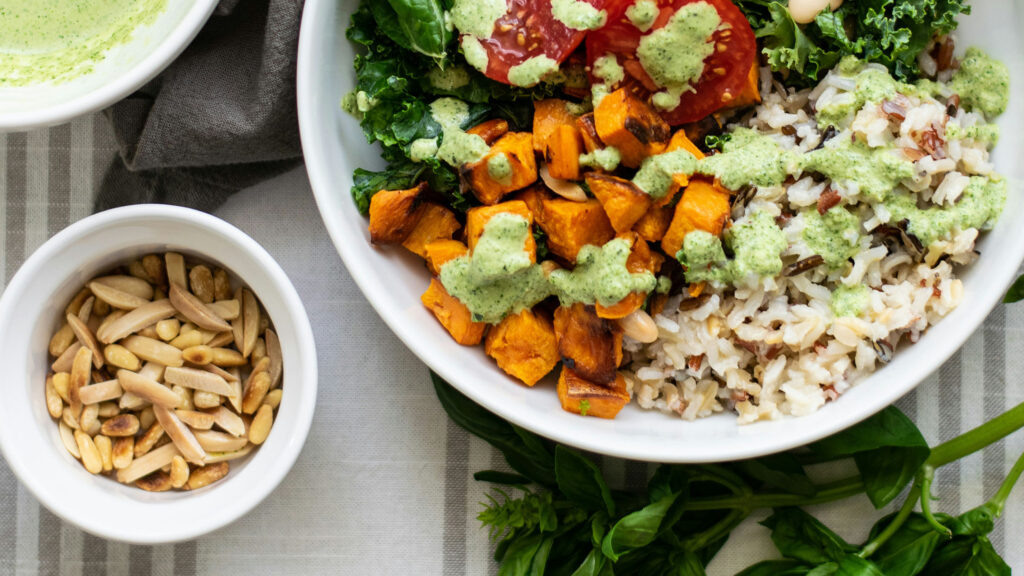
Why The Source Of Protein Matters
Not all proteins are created equal— as different sources come with unique amino acid profiles and “packaging,” including fats, micronutrients, phytonutrients, and sodium.
Animal proteins (eggs, dairy, meat, fish) are typically “complete,” meaning they contain all 9 essential amino acids (compounds our body cannot synthesise, and that are essential for health).
Animal proteins are especially rich in leucine, which strongly stimulates muscle protein synthesis; are more bio-available (easier to digest); and tend to contain higher levels of some nutrients, such as B12, iron, zinc, omega 3 and choline. However animal proteins lack many beneficial nutrients that are contained in plants, including antioxidants, fiber, vitamins, and minerals. They may also have high levels of saturated fat, nitrates, nitrites, and excess sodium – all of which can have negative impacts on health.
Plant proteins (legumes, soy, tofu, tempeh, lentils, chickpeas, beans, grains, nuts, seeds) are usually ‘incomplete’ proteins in contrast (do not contain all 9 essential amino acids), however they can still provide these when thoughtfully combined throughout the day. Plant proteins also come with added benefits like fiber, antioxidants, and phytochemicals.
Why is it important?
With any nutrient, one of the most important factors to consider is how it impacts our health overall.
When look at the research on protein, the message is clear – studies consistently show that plant proteins are associated with better health outcomes overall compared to animal proteins.
People who eat more plant proteins tend to have lower blood pressure, improved cholesterol levels, and better insulin sensitivity than those who eat mostly animal proteins. Plant proteins are not associated with increased insulin-like growth factor 1 levels (which have been implicated in cancer risk), and they reduce the risk of heart disease, some cancers, and overall mortality, particularly when used to replace red and processed meats in the diet.
This is supported by large cohort studies linking higher plant protein intake with lower all-cause and cardiovascular mortality – in contrast higher animal protein intake has been associated with increased cardiovascular risk and mortality.
Plant proteins have additional benefits, such as antioxidant, anti-inflammatory, and metabolic effects, that support better health and longevity, and may reduce the risk of diseases like type 2 diabetes and colorectal cancer.
Finally, replacing animal protein with plant protein can support better kidney health in people with diabetes or kidney disease, as plant proteins put less ‘load’ on our kidneys.
Overall, research shows that plant proteins are associated with higher odds of healthy aging, better physical and mental function, and lower risk of chronic disease when substituted for animal protein (particularly red meat and eggs).
Studies show that that even just replacing a small percentage of animal protein with plant protein can help significantly improve longevity and lifespan – every 3% of animal protein that is swapped for plant protein, can reduce your risk of death by 10%, and risk of death from heart disease by 12%.
Plant proteins are also better for our environment, which has led to recommendations that we should increase our plant protein intake as a sustainable way forward for both human and planetary health.
Does this mean you should go vegan? Not necessarily!
While fully plant based diets have clear ethical and environmental benefits, they also require careful planning to ensure adequate nutritional needs are met, which is not always practical or achievable. Some people may also feel better including small amounts of animal protein in their diet, to meet specific nutrient needs (ie iron, B12, choline)
Our approach is “plant‑forward, protein‑adequate” – aiming for a diet of mostly plants, but not necessarily meat‑free if preferred, with a focus on whole foods and minimizing processed and red meats.
If you’d like to learn more about how to eat a more plant centric diet, please check out our popular online nutrition course, which walks you through this step by step – complete with 6 weeks of delicious plant based recipes.
Every move you make to eat more plants will benefit your health and the planet!

How much protein do women need?
This is probably one of the most common questions we get asked, and for good reason! If you’ve ever talked to others about it or searched social media, you’ve likely come across wildly varying recommendations.
When we look at the science though, fortunately the recommendations are fairly clear and consistent.
Individual needs can vary with body size, activity, health status and goals, but here is a general guide:
- The minimum amount of protein needed to avoid deficiency is 0.8 g/kg/day (e.g., 56 g/day for a 70 kg woman) is the RDA – but it’s important to note this not necessarily enough to optimise function.
- Optimal for midlife and older women: 1.0–1.6 g/kg/day (based on ideal body weight) is generally recommended to maintain muscle and function, with higher ranges (1.2 to ~1.6 g/kg/day) considered in active or frail individuals under professional guidance.
- For those looking to build muscle, or women who are very active, aiming for 1.3-1.8g/kg/day may be needed.
Not surprisingly, distributing protein evenly across meals (e.g., 25–35 g at breakfast, lunch, and dinner) appears more effective for muscle maintenance than skewing it all toward dinner; while studies show that consuming around 20g protein shortly after exercise is optimal for stimulating muscle growth.
Our body needs balance!
Can Women Get Enough Protein on a Plant-Based Diet?
Meeting—and even exceeding—protein needs on a plant-based or mostly plant-based diet is absolutely possible, but it definitely requires a bit more planning. If you’re following a plant based diet, or wanting to add more plant proteins to your diet, one of your main focuses should be on both getting enough protein, as well as ensuring you also get a balance of essential amino acids to fulfill your body’s needs
Common challenges on a fully plant based diet:
- Many plant foods have lower protein density per calorie compared with animal foods.
- Some plant proteins are limited in certain amino acids, most commonly lysine or methionine.
- Small meal portions can lead to inadequate leucine, which is important for muscle protein synthesis.
These challenges can be managed with strategy and smart food choices – but knowledge is key!
Heres Some Key High-Protein Plant Foods:
- Soy foods: tofu, tempeh, edamame, unsweetened soy milk, soy yogurt — high-quality, near-complete proteins with good leucine content.
- Legumes: lentils, chickpeas, black beans, kidney beans, peas, lupins — excellent sources of protein, fiber, and minerals.
- Whole grains: quinoa, amaranth, buckwheat, oats, farro — add protein and complement the amino acids found in legumes.
- Nuts and seeds: hemp, chia, pumpkin seeds, peanuts, almonds, tahini — energy-dense sources that provide protein and healthy fats.
Combining legumes with grains across the day—for example, lentils with rice, hummus with whole-grain pita, or beans with corn tortillas—ensures a complete amino acid profile while supporting overall protein needs.
For a 70 kg woman targeting ~90 g/day (~1.3 g/kg) on a plant‑based diet, here’s an example day of eating:
- Breakfast: 200 g soy yoghurt plus 30 g hemp seeds and berries
- Lunch: Large salad with 150 g cooked lentils, mixed vegetables, olive oil, plus a slice or two of whole‑grain bread
- Snack: Hummus with carrots and whole‑grain crackers, or a soy milk latte plus a small handful of nuts
- Dinner: Stir‑fry with 150–200 g tofu or tempeh, mixed vegetables and quinoa or brown rice
If you’d like our free quick guide to protein, with easy visual reference guides, you can download it here.
What About Protein Powders?
In some situations—busy schedules, high activity levels, low appetite, illness, or early transition to plant‑based eating—it can be challenging to get enough protein in your diet. While whole foods will always be best, protein powders can be useful.
It’s important to purchase good quality products, as many are filled with artificial sweeteners, flavours and other additives that make them not so good for you.
There are several main types of protein powder available:
Whey protein – Derived from cows milk, whey protein generally contains a higher protein content per scoop than other types. It’s easily absorbed and a complete protein. It’s not suitable for those with lactose intolerance or for vegans. Whey protein may also trigger acne in some people.
Plant-based protein – Made from a variety of sources such as rice, peas, hemp or soy. Generally contains less protein per scoop than whey and can be a bit grittier. Many find it gentler on the stomach than whey protein.
Pea, soy, rice, and blended plant protein powders provide concentrated protein and can help ensure each meal hits a 25–35 g threshold. For women lifting weights, a post‑workout shake made with a plant protein blend can support muscle protein synthesis comparably to whey, provided the protein powder contains all nine essential amino acids and adequate amounts of leucine (2.5 g per serving).
Collagen powder – Extracted from animal connective tissues (typically from bovine or fish). Collagen peptides are hydrolyzed, making them easier to digest and absorb. They have the added benefit of helping to maintain healthy skin, hair, nails, and joints. Collagen lacks some amino acids though, particularly tryptophan, so it’s not ideal as a sole protein powder alternative. It’s also not suitable for vegans or vegetarians for obvious reasons.
One of our favorite NZ made products is Feel Uplift – which combines pea protein powder, with chia seeds for fibre, and creatine for muscle/brain health. If you’d like to try it, get 10% off using code YLM at checkout ❤️
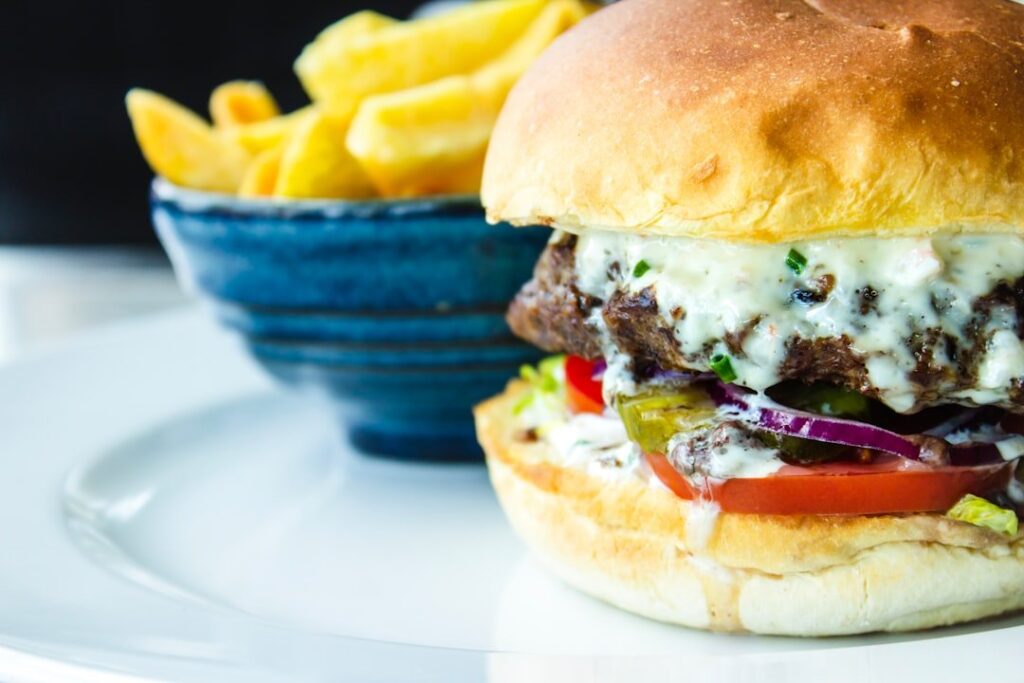
Should You Use Fake Meats?
Plant-based meat alternatives (PBMAs)—the burgers, nuggets, sausages, and deli slices designed to mimic meat—have surged in popularity over recent years.
But while they provide an appealing alternative to traditional meat from an ethical and environmental perspective, are they good for our health?
The answer is – it depends.
Nutritionally, these “fake meats” can often provide less saturated fat, zero cholesterol, fewer calories, and more fiber than their animal-based counterparts, so may be beneficial for heart health in particular. In short-term studies, swapping meat for PBMAs can lead to improvements in markers like LDL cholesterol, total cholesterol, and body weight.
But the picture isn’t entirely rosy.
Most PBMAs are actually ultra-processed foods, frequently containing higher sodium, added sugars, and lower-quality protein, as well as food extracts, preservatives, and artificial flavors.
They are more expensive than whole plant food alternatives (ie legumes), and have a slightly higher environmental impact (although still far lower than animal proteins).
PMBAs also tend to fall short on key micronutrients unless these are deliberately added —especially iron and vitamin B12—which can be problematic for people who rely on them heavily. And because these products vary widely in ingredients and formulation, it’s hard to generalize their health effects.
Importantly, long-term data on chronic disease outcomes are still lacking, so we don’t yet know whether the short-term benefits translate into meaningful differences in long-term health.
In contrast, whole plant foods—such as legumes, nuts, seeds, whole grains, fruits, and vegetables—have a long-established track record of promoting health. Large cohort studies and meta-analyses consistently link diets rich in unprocessed plant foods with lower risks of cardiovascular disease, type 2 diabetes, cancer, and all-cause mortality.
They also have a far lower environmental impact than animal products, and greater sustainability – an important factor in view of our changing climate. Whole plant foods are naturally nutrient-dense, minimally processed, and rich in fiber, phytochemicals, and high-quality plant proteins. They also avoid the common pitfalls of PBMAs, such as high sodium or added sugars.
The main consideration for people following a strictly plant-based diet is ensuring an adequate intake of vitamin B12, iron, calcium, and zinc—which may require mindful planning.
Bottom line: While fake meats can offer some advantages over animal meats—particularly for heart health—they don’t outperform whole plant foods, which remain the gold standard for nutrition and long-term health.
PBMAs can be a useful transitional or occasional choice, but they’re not a substitute for the benefits of minimally processed plant foods.

The other star nutrient: fibre
While protein is critical for health, fibre is actually the nutrient most women miss – and it powerfully complements protein’s effects.
Studies show that many women in Western countries consume less than half the recommended daily fibre intake (25–30+ g/day), with the average intake being closer to 15 g.
And fibre is crucial for health and longevity – with large reviews showing that higher dietary fibre intake improves blood sugar control, cholesterol levels, body weight, and blood pressure and reduces the risk of cardiovascular disease, type 2 diabetes, and death from all causes.
Fibre, blood sugar and insulin
Fibre is crucial for maintaining healthy blood sugar levels, improving metabolic health, and reducing the risk of insulin resistance and type 2 diabetes .
Fibre slows down how quickly we digest and absorb carbohydrates and sugars from food, which leads to to more stable blood sugar levels after meals, and reduced insulin demand.
Increasing dietary fibre also improves fasting glucose levels, HbA1c, fasting insulin and insulin resistance indices (HOMA‑IR) in people both with and without diabetes.
For example, a clinical trial in people with type 2 diabetes found that increasing total and whole‑grain fibre intake was associated with improved beta‑cell (pancreas) function, better insulin sensitivity and lower 2‑hour postprandial glucose levels in people who were using diabetes medications (metformin or acarbose).
Fibre also helps to reduce the risk of heart disease and early death in people who have existing diabetes.
And while low carb diets have gained popularity for blood sugar control, a large recent meta-analysis showed that fibre intake is actually far more important – as the fibre content of peoples diet impacted blood sugar control far more than how many carbohydrates they ate!
For non‑diabetic women fibre is also important, as it helps to balance blood sugar levels, and support more stable energy and mood.
Fibre and gut health
Did you know, our gut microbiome and gut health depends heavily on fibre – as dietary fibre is the main fuel for our healthy gut bacteria?!
Fermentable fibres are metabolized by our gut bacteria into short‑chain fatty acids (SCFAs) such as acetate, propionate and butyrate, which help to support the integrity of our gut barrier (prevent leaky gut), regulate inflammation, and impact how we process carbohydrates, sugars, and fats.
Studies show that higher fibre intake is linked with a healthier gut microbiome (greater microbial diversity and a more favourable balance of ‘good’ SCFA‑producing species) – and this in turn helps improve our metabolic health and lower inflammation.
SCFAs from fibre also act as signaling molecules, influencing GLP‑1 and PYY secretion (incretin and satiety hormones), which help to support appetite regulation and blood sugar control.
Fibre and hormone health
Fibre affects hormone balance, particularly sex hormone metabolism, in several ways.
- Fibre can bind estrogens in the gut, increasing fecal excretion and potentially lowering circulating estrogen levels. This may be help to protect against breast and endometrial cancer risk, and improve ‘oestrogen dominant’ symptoms in some women.
- A healthy, fibre‑fed microbiome (the “estrobolome”) regulates deconjugation and reabsorption of estrogens, influencing overall estrogen exposure. This means fibre is a powerful ally in improving healthy hormone balance.
- In contrast, dysbiosis (an unhealthy gut microbiome), often seen in low‑fibre, high‑fat diets, can alter this balance.
By improving insulin sensitivity and reducing visceral fat, higher fibre intake also indirectly supports more balanced hormone levels (androgen and estrogen profiles), which is can help with conditions such as PCOS, metabolic syndrome and the menopausal transition.
Fibre, weight regulation and satiety
Maintaining weight and body composition can be a common challenge for women, especially in perimenopause. Fibre is a powerful tool to use for sustainable, non diet weight management, for several reasons:
- Fibre promotes satiety by adding bulk; slowing gastric emptying; and triggering stretch receptors in the stomach, which can help promote feelings of fullness, and reduce overall calorie intake.
- It can also help influence hormones that regulate appetite (such as GLP-1), by promoting the growth of specific gut bacteria that produce SCFA, which in turn stimulate GLP-1 secretion.
- Higher fibre diets are consistently associated with lower body weight, BMI and waist circumference – women consuming at least 25 g/day of fiber from whole foods like fruits, vegetables, legumes, and whole grains tend to have lower body weight, BMI, and waist circumference
- A study of a workplace nutrition program emphasizing gradual increased intake of fiber-rich plant foods, showed significant weight loss in mostly female participants, attributed to increased fiber intake promoting fullness and reduced calorie intake even without deliberate calorie restriction.
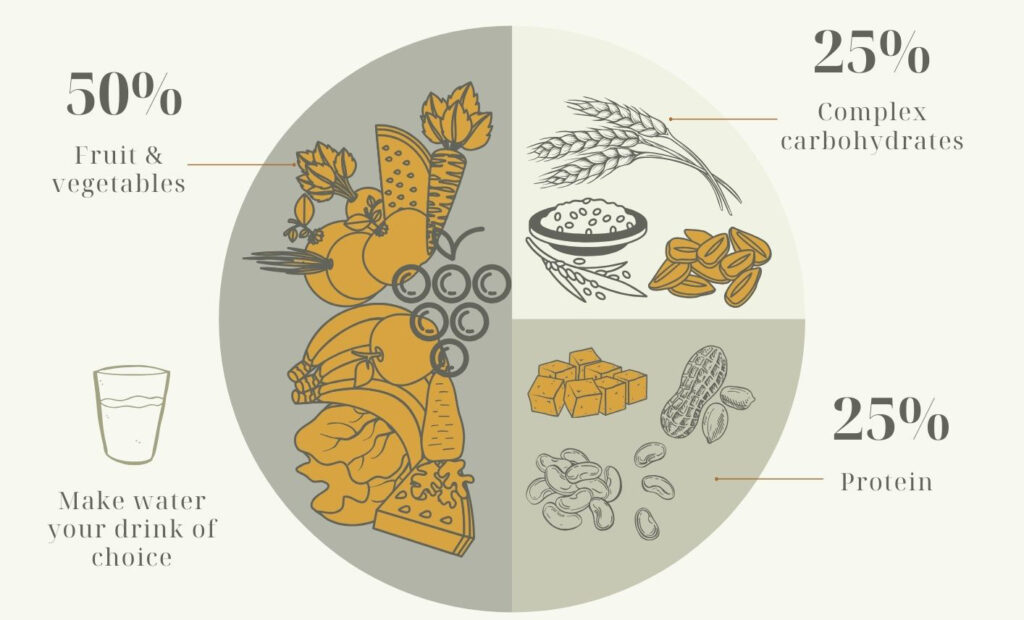
In practical terms, aim for at least 25g fibre/day, and a plate that combines lean or plant protein with high‑fibre vegetables, legumes and whole grains. This will help feed your healthy gut bacteria; balance your blood sugar; keep you full and satisfied; and improve your health – without the need to count calories or restrict!
You can use the healthy plate graphic below as a guide.
Bringing protein and fibre together
Hopefully now you’ll have a deep understanding, of how protein and fibre work best in partnership.
- Protein provides structural and functional building blocks; fibre shapes your metabolic environment through gut microbes, glucose and cholesterol regulation, and hormone signaling.
- Plant‑forward protein sources—such as lentils, chickpeas, black beans, tofu with vegetables, or tempeh with whole grains—deliver both in the same foods, maximising satiety, cardiometabolic benefits and micronutrient density.
Breakfast and lunch are particularly important opportunities to “front‑load” both protein and fibre, supporting daytime blood sugar stability and reducing evening overeating.
Make breakfast a priority, not an afterthought – “Eat breakfast like a queen, lunch like a princess, and dinner like a pauper” – and enjoy the benefits this brings.
Practical ways to increase protein and fibre
Heres your step by step guide to fit protein and fibre into busy midlife life:
- Start the day with 25–35 g protein plus 8–10 g fibre: examples include tofu scramble with vegetables and whole‑grain toast; Greek‑style soy yoghurt with berries, chia, and hemp seeds; or lentil‑veggie breakfast bowls.
- At each meal, build a “protein plus plants” anchor: choose a protein (beans, lentils, tofu, tempeh, eggs, fish, lean meat if included) and fill at least half the plate with colourful vegetables and some whole grains.
- Swap refined grains for whole grains to boost your fibre and balance blood sugar: oats instead of sugary cereal, brown or wild rice instead of white, whole‑grain sourdough instead of white bread, quinoa instead of couscous.
- Use legumes daily: add lentils to soups, chickpeas to salads, black beans to tacos or bowls; even half‑cup servings contribute significant protein and 7–8 g of fibre.
- Layer in nuts and seeds: sprinkle chia, flax or hemp on breakfasts and salads; use tahini or nut butters in dressings and snacks, which add both protein and beneficial fats.
- Try follow the 30:30:30 rule for optimal results – 30g protein/meal; 30g fibre/day; and 30 different plant foods each week (this supports a healthy gut microbiome). If you aren’t there yet, dont worry – every step you take towards it will help.
Aiming for “protein at every meal, plants at every meal, and fibre in every carbohydrate choice” is a simple powerful mantra that will improve blood sugar, gut health and hormone balance over time – no matter what stage of life you are in. Protein and fibre are your allies for health.!
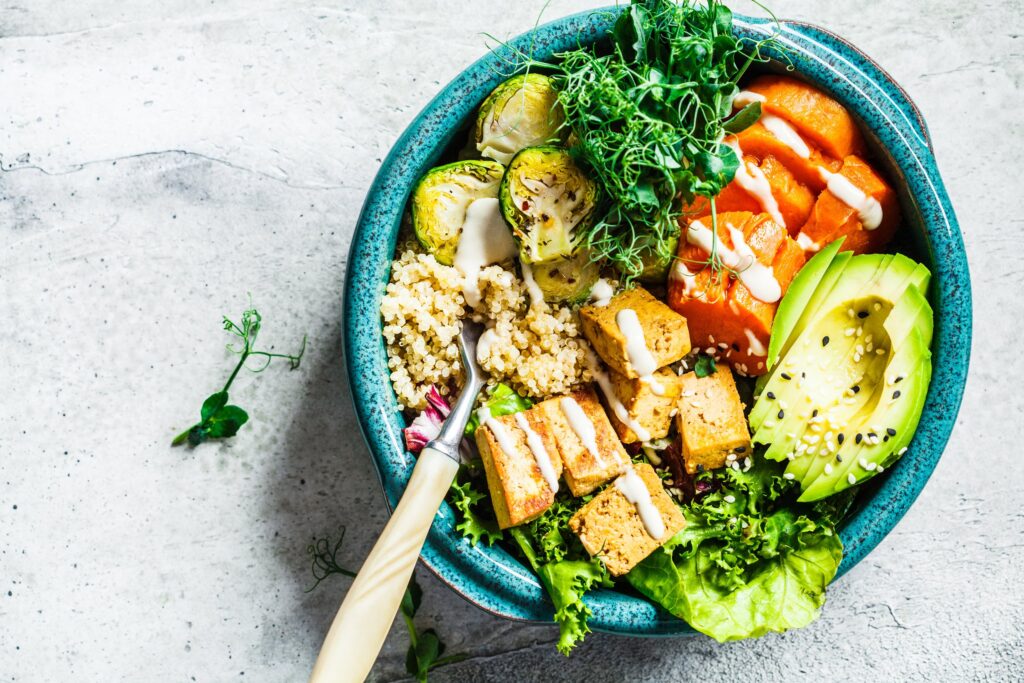
Practical Tips To Increase Plant Foods — Even for Picky Eaters
Shifting from animal protein to plant protein might feel intimidating if you’ve grown up with a traditional meat based diet – but it doesn’t have to mean just eating salads or giving up familiar flavors!
With the right strategies, you can make plant-forward meals satisfying for even the pickiest eaters. Here are some practical, flexible ways to start:
1. Start With “Look-Alike” Swaps for Familiar Meals
For people who love the taste and texture of meat, beginning with familiar formats can make the transition smoother.
Easy swaps:
- Tacos: Replace ground beef with seasoned lentils, crumbled tofu, or a PBMA ground beef alternative. Add taco seasoning and no one will notice.
- Spaghetti Bolognese: Sub in lentils, mushroom–walnut crumble, or a plant-based meat crumble.
- Burgers: Try black bean or lentil burgers; if those are too unfamiliar at first, use a PBMA burger and transition slowly.
- Chicken nuggets: Start with tofu or chickpea nuggets, or use breaded PBMA nuggets for kids who already like the shape and crunch.
Why this works: The flavors, sauces, and seasonings do the heavy lifting, meaning the change is so gradual, it’s hard to even notice!
2. Use “Half-and-Half” Blends for a Gentle Transition
Blending animal protein with plant protein can also be an effective stepping stone to switching out animal protein for plant foods.
Try these combos:
- 50/50 taco filling: half ground beef, half lentils or finely chopped mushrooms.
- Half-meat meatballs: mix in quinoa, black beans, or oats.
- Blended chili: combine plant protein (beans, lentils) with a small amount of meat.
Over time, gradually increase the plant proportion until the meat is gone (or almost gone). Every small step helps!
3. Make Protein Upgrades in Meals People Already Love
Rather than creating entirely new dishes, add plant proteins to meals that already feel “safe.”
Here’s some kid- and adult-friendly examples:
- Add white beans or chickpeas to pasta dishes and soups.
- Stir tofu cubes or edamame into fried rice.
- Add hemp hearts, nuts, or seeds to salads or oatmeal.
- Top pizza with marinated tofu, tempeh, or cannellini beans.
4. Highlight Texture—One of the Biggest Barriers for Picky Eaters
Some people are sensitive to texture changes, so start with choosing plant proteins that mimic textures they already like.
Texture-based guidance:
- If they like ground meat → try crumbled tempeh, lentils, or mushroom-walnut crumble.
- If they like firm chicken → try extra-firm tofu (pressed & pan-fried) or seitan.
- If they like crispy foods → use tofu nuggets, chickpea patties, or crisped tempeh bacon.
Pro tip: Pressing tofu or air-frying plant proteins can massively improve texture and make it deliciously crispy.
5. Use Sauces, Seasonings, and Marinades
For picky eaters, flavor familiarity is key. Season plant proteins exactly as you would meat. Here’s a few ideas:
- BBQ sauce on tofu or tempeh
- Taco seasoning on lentils or black bean chilli
- Teriyaki on tofu
- Italian seasoning on chickpea “meatballs”
- Buffalo sauce on crispy tofu bites
Most people don’t miss the meat once the flavors match their favorites.
6. Keep “Stealth Protein” Options Handy
If you’re still struggling, try sneak in plant protein in ways that don’t affect taste or texture!
- Blend silken tofu into smoothies (completely flavorless).
- Stir nut butter or peanut powder into oatmeal.
- Mix white bean purée into mashed potatoes or creamy soups.
- Use soy milk instead of dairy in cereals or coffee for a protein boost.
7. Use PBMAs Strategically—Not as a Daily Staple
PBMAs can help reduce meat intake without resistance, especially for kids or adults who dislike change, however ideally it’s best to save these for treats – not everyday foods.
Good transitional options:
- PBMA burgers on grill nights
- PBMA sausages for breakfast or pasta
- PBMA deli slices for sandwiches
Then slowly introduce more whole-food plant proteins like beans, lentils, tofu, tempeh, nuts, and seeds as tastebuds and preferences adjust.
8. Make It Fun and Social
Picky eaters often relax when meals are interactive or customizable – it’s why kids will often try meals in group situations that they’d never try at home! Modelling healthy eating is also powerful – children tend to follow by example, so if they see you consistently making different choices, eventually they’ll likely follow.
Try:
- Build-your-own taco bar with bean, tofu, and PBMA options.
- Stir-fry night with a choice of proteins.
- Pasta bar with lentil Bolognese or chickpea Alfredo.
- Family burger night with plant and PBMA patties.
When diners control the toppings, they’re more willing to experiment!
9. Start With One Meal a Day—or Even One Day a Week
Small, consistent shifts beat drastic overhauls.
Ideas:
- “Meatless Mondays,” family-style
- Plant-protein lunches only
- Swap breakfast sausage for tempeh bacon or tofu scramble
- Replace one dinner per week with a bean-based dish
10. If Nutrient Concerns Come Up, Focus on These
Plant proteins can easily meet nutrient needs when chosen well:
- Protein: beans, lentils, tofu, tempeh, seitan, edamame, quinoa, PBMAs
- Iron: lentils, chickpeas, pumpkin seeds, tofu (with vitamin C foods for better absorption)
- Calcium: fortified plant milks, tofu, leafy greens
- B12: fortified foods or supplements for strict plant eaters
This reassures hesitant family members that plant-based eating is both tasty and nutritionally complete.

Key takeaways
- Protein is a non‑negotiable for muscle, bone, metabolic and hormone health, particularly in midlife and beyond. Many women benefit from around 1-1.6g/kg/day (based off ideal body weight), distributed evenly across the day.
- Plant protein can fully support women’s health and longevity when thoughtfully planned, often with added benefits for improving heart health, metabolic health, and hormonal health, as well as lowering cancer risk, due to its fibre and nutrient content.
- Fibre is the under‑appreciated nutrient most women need more of; aiming for 25–30+ g/day from whole plant foods is powerful for improving blood sugar control, gut health, heart and hormone health, and longevity.
Focusing on both protein and fibre—rather than protein alone—creates a dietary pattern that supports women through every stage of life. Optimising your blood sugar, muscle and bone integrity, hormone balance, and gut health, are the foundations of healthy, vibrant ageing.
If you’ve enjoyed this post, and would like to learn more, check out what else we have to offer!
- Download our FREE protein guide here
- Learn about evidence based healthy nutrition (including over 60 original whole food plant based recipes the entire family will love) here
- Join one of our live 30 day Nutrition Resets here (these run twice a year in January and September – if the link is inactive please join our newsletter here to be notified when our next course is live)
- Explore our other online courses, including our signature 6 week Reboot course, and our focus courses.
Plus if you’ve found this article helpful, please feel free to share it with others, or let us know your thoughts by emailing hello@yourlifestylemedics.com – we’d love to hear from you!
Every step you take to improve your health, has the potential to change your life, for good ❤️