
Building Strong Bones for Life: Your Holistic Guide To Healthier Bones
Most of us spend far more time thinking about our heart health, weight, fitness, or cholesterol than we do about our bones.
That is totally understandable—as bone loss is usually silent.
You cannot feel your bone density declining, and there are often no warning signs until a fracture occurs.
Yet bone health plays a major role in how well we age.
Strong bones help us stay active, independent, and mobile throughout life.
They support every movement we make, protect our organs, and act as a reservoir for essential minerals.
When bone strength declines significantly, the consequences can be huge, ranging from chronic pain and reduced mobility, to losing independence after a hip fracture.
The good news is that osteoporosis is not simply an inevitable consequence of ageing.
While age does increases risk, bone health is incredibly responsive to lifestyle, nutrition, exercise, hormones, and medical treatment.
This means even if you have already developed osteoporosis, you can still improve your bone health and reduce your risk of fractures with the right interventions.
Bone Is Living Tissue, Not a Static Structure
Many people think of bones as inert scaffolding that simply holds the body together.
In reality, our bones are living tissues that are constantly being renewed.
Throughout our lifetime, our skeleton undergoes a process called bone remodelling, in which old bone is continuously removed and replaced with new bone.
This process repairs microscopic damage, helps bones adapt to physical demands, and allows our body to regulate important minerals such as calcium and phosphorus.
Two specialised cell types drive this process:
- Osteoclasts break down and remove old bone.
- Osteoblasts build new bone.
In healthy younger adults, these processes remain largely balanced.
But problems start to arise when bone breakdown begins to outpace bone formation over many years.
Gradually, silently, bones become less dense, less resilient, and more susceptible to fractures.
An important point that is often overlooked is that bone strength involves far more than bone density alone.
Bone quality, internal architecture, turnover rates, muscle strength, balance, and fall risk all influence whether a fracture occurs.
This helps explain why two people with similar bone density measurements can have very different fracture risks.
How Our Bones Change Throughout Our Life
Maintaining healthy bones involves a delicate balance between bone formation and bone absorption, as our bones are actually constantly remodelling and changing- they are living structures.
During our childhood and adolescence, bone formation exceeds bone breakdown, allowing our skeleton to grow rapidly.
Peak bone mass is typically achieved between our mid-twenties and early thirties.
Think of your peak bone mass as your skeletal “bank account.” The more bone you build during these early years, the larger your reserve later in life.
After peak bone mass is reached, the amount of new bone formed slowly declines.
For women, one of the most significant changes in bone mass occurs around menopause, as hormones start to change.
Oestrogen plays a major role in suppressing bone breakdown and keeping bones strong; so when levels fall, bone resorption accelerates – often resulting in rapid bone loss during the first few years after menopause.
Men also lose bone with age, although the process is generally slower and more gradual.are low.
This is why osteoporosis becomes increasingly common as people get older.
However, it is important to remember that the rate of bone loss varies enormously between individuals and is influenced by many factors that remain modifiable.
What Exactly Is Osteoporosis?
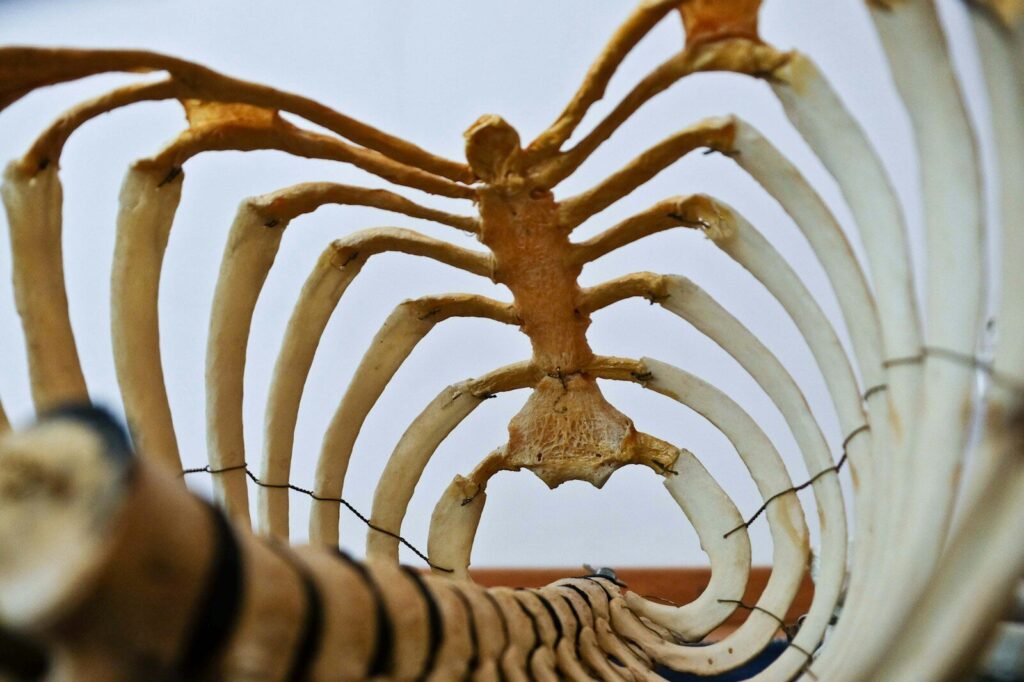
Osteoporosis is a condition in which bones become weaker and more fragile, due to a loss of bone mass, and deterioration of bone structure.
As bone strength declines, fractures can occur with surprisingly little force.
These are known as fragility fractures and may happen after something as simple as:
- A fall from standing height
- Missing a step
- Lifting a heavy object awkwardly
- In some cases, no obvious injury at all
The most common fracture sites are:
- The hip
- The spine (vertebrae)
- The wrist
- The upper arm
- The pelvis
A related condition called osteopenia refers to lower-than-normal bone density that has not yet reached the threshold for osteoporosis.
A useful way to think about the spectrum is:
- Normal bone density: expected fracture resistance
- Osteopenia: an early warning stage
- Osteoporosis: significantly increased fracture risk
Importantly, osteoporosis is not simply about having “thin bones.”
The condition involves changes in the internal architecture of bone that make it less able to withstand stress.
Why Osteoporosis Matters
Osteoporosis is one of the most common chronic conditions affecting older adults worldwide.
Around 10% of adults over 50 worldwide have osteoporosis (roughly 15.4% of women and 4.3% of men), and prevalence rises significantly with age, to around 26% in adults aged 80 and older.
The lifetime impact is significant:
- 1 in 3 women over 50 will have a fragility fracture of the hip, spine, or wrist (3)
- Around 4000 osteoporotic hip fractures occur in NZ each year (3)
- After a hip fracture, 5–20% of people die within a year, and 60% need long-term help with daily activities (3)
This is why osteoporosis isn’t just about bones — it’s about independence, mobility, and quality of life.
More importantly, the lifetime risk of fracture is remarkably high.
Approximately:
- One in three women over 50 will have a fragility fracture of the hip, spine, or wrist
- Around 4000 osteoporotic hip fractures occur in NZ each year
will experience an osteoporotic fracture during their lifetime.
These fractures are not just inconvenient injuries either.
Hip fractures, for example, are associated with:
- Hospitalisation
- Surgery
- Loss of independence
- Increased need for residential care
- Higher mortality in older adults
After a hip fracture, it’s estimated that between 14-30% of people will die within a year, only 30% recover to pre-fracture levels of independence, and 20- 60% will need some form of long-term help with daily activities.
Spinal fractures are also common and frequently overlooked. Many occur without a dramatic injury and may present as:
- Persistent back pain
- Loss of height
- A stooped posture
- Reduced mobility
For many people, maintaining bone health is ultimately about maintaining quality of life, independence, and the ability to continue doing the activities they enjoy.
Know Your Risk
Osteoporosis rarely develops because of a single cause.
It usually occurs due to a combination of genetics, medical conditions, and lifestyle habits.
Risk Factors You Cannot Change
Several factors are associated with a naturally higher risk of osteoporosis:
- Increasing age and female sex
- Family history of osteoporosis or hip fracture
- Early menopause or premature ovarian insufficiency
- Small body frame or Caucasian/Asian ethnicity
While these factors are not modifiable, understanding them can help identify who may benefit from earlier screening and prevention strategies.
Medical Conditions That Affect Bone Health
A wide range of medical conditions can also accelerate bone loss. These include:
- Rheumatoid arthritis
- Coeliac disease
- Inflammatory bowel disease
- Hyperthyroidism and hyperparathyroidism
- Chronic kidney or liver disease
- Type 1 diabetes
- Eating disorders
- Malabsorption syndromes
- Low testosterone in men
- Premature ovarian insufficiency
Certain medications can also contribute significantly to bone loss.
The most important example is long-term corticosteroid use.
Other medications associated with reduced bone density include some anticonvulsants, aromatase inhibitors, androgen deprivation therapy, and certain antidepressants.
Lifestyle Factors You Can Change
The encouraging aspect of osteoporosis prevention though, is that many important risk factors are modifiable.
These include:
- Smoking
- Physical inactivity
- Excess alcohol consumption
- Poor nutrition or inadequate protein intake
- Low calcium intake and vitamin D deficiency
- Low body weight
- Recurrent falls
Addressing these factors can have a big impact on long-term bone health and fracture risk
How Much Do Genetics Really Matter?
Many people assume that if osteoporosis runs in their family, fractures are almost inevitable.
Genetics certainly influences bone health, but the relationship is more nuanced than most people realise.
One of the most interesting studies on this question followed thousands of Finnish twins over 25 years.
Researchers found that identical twins, who share virtually all of their genes, were only slightly more likely to both experience osteoporotic fractures than fraternal twins, who share only about half.
The difference was surprisingly small, leading researchers to conclude that genetics alone could not explain who went on to suffer fractures.
More recent research has revealed another important detail: the influence of genetics changes with age.
In younger older adults, particularly those under 70, genetics appears to play a much larger role in fracture risk.
However, after about age 80, genetic influences become far less important, while environmental factors such as muscle strength, balance, physical activity, medication use, vision, and fall risk become the dominant drivers of fractures.
It’s also important to distinguish between bone density and fracture risk.
Bone mineral density is strongly influenced by genetics, but fractures depend on many other factors. After all, a person doesn’t break a hip because of low bone density alone—they usually break a hip because they fall.
A useful way to think about it is this: genetics may set the stage, but lifestyle and environment write much of the script.
Regular exercise, good nutrition, maintaining muscle strength, preventing falls, and addressing medical risk factors can all have a profound impact on fracture risk, regardless of family history.
The Importance of Screening and Early Detection
One of the challenges with osteoporosis is that it often develops silently.
People can lose substantial bone density without experiencing symptoms – and have no idea their bones are becoming weaker until a fracture occurs.
This is why screening plays such an important role.
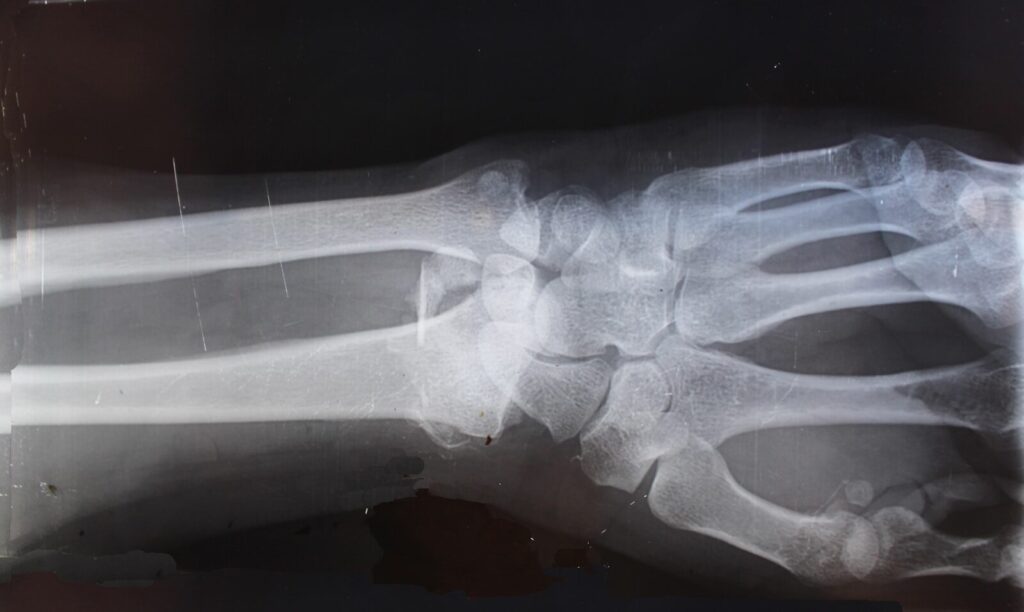
The gold-standard test to check bone density is the DEXA scan (Dual-Energy X-ray Absorptiometry), which measures bone mineral density at the hip and spine.
Results are usually reported as a T-score:
- Above -1.0: Normal
- Between -1.0 and -2.5: Osteopenia
- -2.5 or lower: Osteoporosis
If your T-score is below −2.5 and you’ve already had a fracture, this is called severe established osteoporosis.
A Z-score is another metric often reported and can give useful context.
This compares you to others of the same age and body size. It doesn’t diagnose osteoporosis but can help doctors decide whether something unusual might be going on.
However, fracture risk is about more than bone density alone.
When looking at bone health, doctors will also consider:
- Age
- Previous fractures
- Family history
- Smoking status
- Steroid use
- Medical conditions
- Falls risk
Tools such as the FRAX score are used to estimate your 10-year risk of fracture.
This combines your age, sex, weight, height, personal fracture history, family history of hip fracture, smoking, alcohol use, steroid use, and certain medical conditions, as well as T-score if this is available.
Rather than looking only at your scan, FRAX looks at you as a whole person.
This is because two people can have the same T-score but very different fracture risks.
A FRAX score helps guide decisions about whether medication is likely to be helpful — especially for women with osteopenia who sit in a grey zone between “normal” and “osteoporosis.” You can use an online tools like these ones to assess your risk.
So who should get screened for osteoporosis, and when?
Most guidelines recommend screening for:
- Women aged 65 and older
- Men aged 70 and older
- Anyone who has experienced a fragility fracture
- Long-term steroid users
- Postmenopausal women with significant risk factors
- Men aged 50–69 with elevated risk
This is because identifying osteoporosis before a fracture occurs, creates an vital opportunity to intervene early, and potentially prevent serious issues later.

Nutrition for Bone Health: Looking Beyond Calcium
When people think about bone health, calcium is usually the first nutrient that comes to mind—and for good reason. Calcium is a major building block of bone.
However, one of the biggest misconceptions about bone health is that it is simply a matter of consuming more calcium.
In reality, strong bones depend on a complex interaction between nutrition, physical activity, hormones, and overall health.
A healthy skeleton requires adequate:
- Calcium
- Vitamin D
- Protein
- Magnesium
- Vitamin K
- Vitamin C
- Zinc
- Other trace minerals
Just as importantly, it requires an overall dietary pattern that supports healthy ageing, ideally sourced from an anti-inflammatory dietary pattern like the Mediterranean or DASH diets.
Calcium: Important, But Not Magic
About 99% of your body’s calcium is stored within your skeleton. Because calcium provides much of bone’s mineral structure, adequate intake is essential.
Most adults require approximately:
- 1000 mg daily
- 1200 mg daily for many older adults
Fortunately, calcium can be obtained from a wide variety of foods.
Excellent sources include:
- Milk
- Yoghurt
- Cheese
- Calcium-fortified plant milks
- Calcium-set tofu
- Sardines with bones
- Salmon with bones
- Bok choy
- Kale
- Legumes
- Almonds
- Sesame seeds
A common myth is that dairy products are either essential for bone health or harmful to bone health. Neither claim is supported by the evidence.
Dairy foods can be a useful calcium source, but people following vegetarian or vegan diets can also achieve adequate calcium intake through careful food choices.
Should You Take a Calcium Supplement?
Calcium supplements are often marketed as an easy solution for bone health, but the evidence is more nuanced.
Research suggests:
- Calcium supplements alone do not consistently reduce fracture risk
- Benefits are generally greater when combined with vitamin D
- Food sources are usually preferred
- High-dose supplementation may actually increase the risk of heart disease in some people.
For many people, the best approach is:
- Aim to meet calcium requirements through food.
- Use supplements only if dietary intake remains inadequate.
Supplements can be helpful, but they should not be viewed as a substitute for an overall healthy lifestyle.
Vitamin D: Essential but Frequently Misunderstood
Vitamin D plays a crucial role in calcium absorption and bone metabolism.
Without sufficient vitamin D, the body struggles to absorb calcium efficiently regardless of how much calcium is consumed.
Vitamin D comes from:
- Sunlight exposure
- Fatty fish
- Egg yolks
- Fortified foods
- Supplements
Deficiency becomes more common with:
- Ageing
- Limited sun exposure
- Darker skin pigmentation
- Institutional living
- Certain medical conditions
One of the most interesting developments in recent years is that vitamin D is no longer viewed as a miracle nutrient for fracture prevention.
Current evidence suggests:
- Correcting deficiency is important
- Vitamin D alone does not substantially reduce fractures in most healthy adults, and is not recommended for general fracture prevention outside of correcting deficiency
- Combined calcium and vitamin D can reduce fractures by up to 19% in higher-risk populations
Most guidelines recommend approximately 800–1000 IU daily in people at risk of deficiency, or in cooler climates during the winter months.
Very large intermittent doses (ie 500,000 IU once a year) are now generally discouraged because some studies have linked them to increased falls and fractures.
While vitamin D testing is often not funded, maintaining vitamin D blood levels at or above 50 nmol/L (20 ng/mL) can help guide the need for supplementation, however some experts recommend aiming for levels between 75-150nmol/L in women with known osteoporosis.
Protein: The Nutrient That Deserves Far More Attention For Bones
When discussing bone health, protein is often overshadowed by calcium and vitamin D.
That is unfortunate because protein is critically important for both muscle and bone.
Bone contains a protein-rich framework that provides structure and flexibility. Protein also supports muscle mass, which is essential for balance, mobility, and fall prevention.
Insufficient protein intake is associated with:
- Reduced bone density
- Increased falls
- Increased fracture risk
- Poorer recovery after fractures
For most adults 0.8 g/kg of ideal body weight/day is the minimum recommendation, however many older adults benefit from slightly higher intake of 1.0–1.2 g/kg/day – especially if they are physically active or trying to preserve muscle mass.
What About Vitamin K, Magnesium, and Other Supplements?
Many supplements are marketed for bone health, often with claims that extend far beyond the evidence.
That does not mean these nutrients are unimportant—it simply means their role is to quietly support the processes that keep bones strong throughout life.
Vitamin K plays an important role in activating proteins involved in bone formation, helping incorporate calcium into the bone matrix.
Some studies have found that people with lower vitamin K intake or status may have an increased risk of fractures, although the evidence for supplementation remains mixed and unclear.
Fortunately, vitamin K is easy to obtain through a healthy diet.
Magnesium is another important nutrient.
Around 50–60% of your body’s magnesium is stored in bone, where it contributes to both bone structure and mineral metabolism. Magnesium also helps regulate vitamin D activation and calcium balance.
Low magnesium intake has been associated with lower bone density and poorer bone health, particularly in older adults and postmenopausal women, however the evidence for supplementing magnesium for bone health is also poor.
Instead, it’s again best to get it from your diet.
The good news is that many of the foods that support overall health also provide generous amounts of both nutrients.
High levels of vitamin K are found in:
- Brussels sprouts
- Spinach
- Kale
- Broccoli
- Fermented foods such as sauerkraut and natto
While these foods are rich in magnesium:
- Green leafy vegetables
- Nuts
- Seeds
- Legumes
- Whole grains
Rather than focusing on individual supplements, this means most of us will benefit more from building a dietary pattern rich in these foods.
In practice, that might mean adding leafy greens to meals most days, choosing whole grains more often than refined grains, sprinkling nuts or seeds over salads and yoghurt, and including legumes several times each week.
These may seem like small habits, but over years and decades they help create the nutritional foundation that supports healthy bones.
One nutrient worth mentioning separately is vitamin A.
While adequate intake is important, excess vitamin A from supplements has been associated with increased fracture risk.
More is not always better.
The Bigger Picture: Dietary Patterns Matter More Than Individual Nutrients
One of the strongest themes emerging from nutrition research though, is that dietary patterns matter more than isolated nutrients.
The most consistently beneficial dietary approaches include:
- Mediterranean-style diets
- DASH-style diets
- Plant-rich whole-food diets
These eating patterns provide:
- Adequate protein
- Fruits and vegetables
- Fibre
- Healthy fats
- Essential vitamins and minerals
They also support overall health, which indirectly benefits bones by reducing inflammation, preserving muscle mass, and supporting healthy ageing.
If you aim for a balanced, diverse, colorful whole food diet focused on plants, and with adequate protein and calcium, you’ll usually tick all the boxes!
To learn more about anti-inflammatory Mediterranean style diets please see our blog post here.
Exercise: The Closest Thing to a Bone-Strengthening Wonder Drug
If there were a medication that improved bone strength, reduced falls, increased muscle mass, enhanced balance, improved cardiovascular health, and supported healthy ageing, it would be considered a remarkable breakthrough.
Exercise comes remarkably close.
Unlike many other tissues in your body, bone directly responds to the physical demands you place on it. This means the right types of movement literally signal your skeleton to adapt, rebuild, and become denser.
This is because bone responds to mechanical stress. When muscles pull on bone and impact forces travel through the skeleton, bone-building pathways are activated.
Exercise helps by:
- Preserving bone density
- Improving muscle strength
- Enhancing balance
- Reducing falls
- Maintaining mobility
- Supporting independence
However, not all exercise affects bone in the same way.
While any movement is fantastic for your overall health, some workouts are true rockstars for your bones.
Research consistently shows that resistance training and weight-bearing impact activities deliver the biggest boost to bone mineral density.
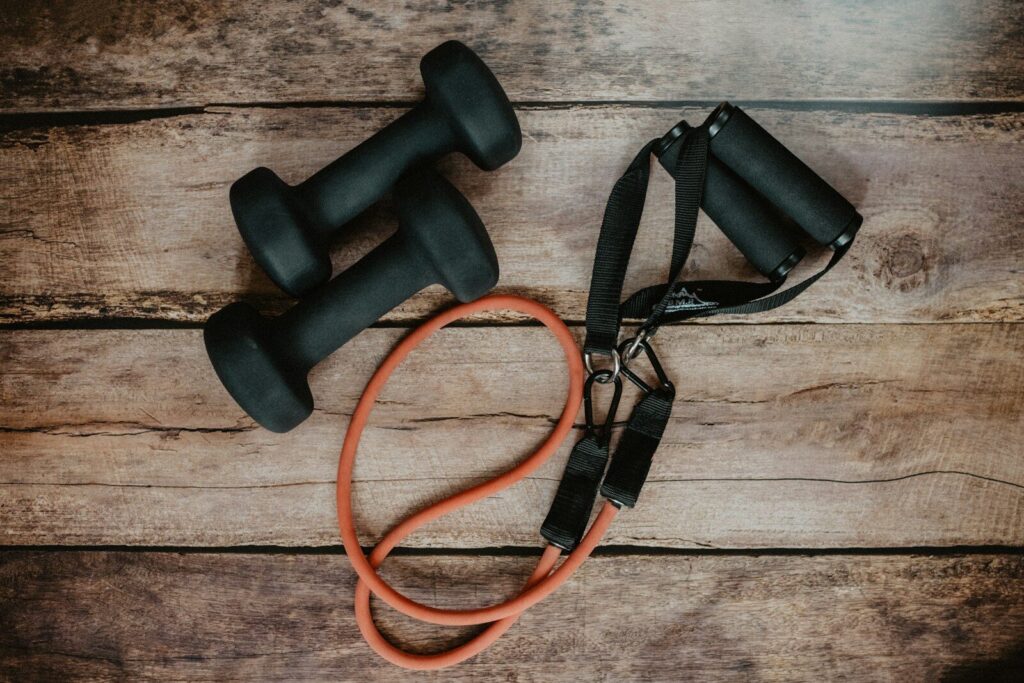
Lifting weights, using resistance bands, or doing bodyweight exercises places a healthy, temporary stress on your skeleton that triggers new bone formation.
Combine that with weight-bearing impact exercises—like jogging, climbing stairs, jumping rope, or playing tennis—and your bones have an incredible incentive to grow stronger.
While any movement is helpful for your bones, if you’re already active and want to optimise your routine, clinical guidelines suggest aiming for 150 to 300 minutes of moderate-intensity activity (or 75 to 150 minutes of vigorous activity) every week, paired with regular muscle-strengthening exercises.
Here’s a deeper dive into what the science tells us:
- Jumping and impact exercises successfully increase bone density at critical, fracture-prone sites like the hip.
- Progressive resistance training (gradually lifting heavier weights over time) produces measurable improvements in bone density, especially at the femoral neck (top of the thigh bone) in postmenopausal women.
- Combined exercise programs that bring together resistance training with weight-bearing aerobic impact naturally lead to greater hip and spinal bone density gains compared to lifting weights alone.
- Putting in extra time might pay off. Studies show that a “higher dose” of exercise (300 minutes of high-intensity aerobic activity per week versus 150 minutes) can lead to even better bone density outcomes over the long term.
But remember, the magic of exercise isn’t just about what happens inside the bone.
Staying active also improves your muscle strength, balance, coordination, and posture.
This is critical because preventing fractures is largely about preventing falls.
Even exercises that don’t aggressively build bone will still protect you if they keep you steady on your feet.
If high-impact jumping or heavy lifting isn’t an option for you, don’t worry!
Brisk walking remains a fantastic way to support your hip bone density while giving your heart a great workout.
Mind-body exercises like Tai Chi are also incredibly valuable; they hold wonderful promise for lumbar spine density and work wonders for your balance.
In contrast, activities like swimming and cycling—while amazing for your cardiovascular stamina and joint health—do not place enough load on your skeleton to physically improve bone density on their own.
If you already have osteoporosis, moving your body is still strongly recommended, but your routine should be customized to your specific fracture risk and mobility.
Resistance, balance, and posture-focused movements are a firm “yes.”
However, if you have a history of spinal fractures, avoid exercises that require deep forward bending, severe spinal flexion, or forceful twisting, unless specifically cleared by your doctor.
This means for some people with spinal osteoporisis, a safe level of impact might max out at a brisk walk.
Finally, the golden rule of exercise is consistency.
Bone adapts slowly—you literally have to “use it or lose it.”
A tailored routine that mixes strength training, enjoyable weight-bearing cardio, and balance work is your best bet for preserving bone density, staying independent, and sidestepping fractures for life.
Next, lets break down different types of exercise for bone health.
Resistance Training: The Foundation of Bone Health
Among all exercise types, resistance training has some of the strongest evidence for supporting bone health.
Examples include:
- Weight machines
- Free weights
- Resistance bands
- Bodyweight exercises such as squats, lunges, and push-ups
Resistance training places mechanical load on the skeleton while simultaneously building muscle.
Most recommendations suggest:
- Two to three sessions per week
Research shows that appropriately prescribed resistance training can help to:
- Maintain bone density
- Produce modest increases in bone density
- Improve muscle mass
- Improve balance and function
- Reduce falls risk
High-intensity resistance training, when supervised and appropriate for the individual, appears particularly effective when combined with weight bearing cardio.
Weight-Bearing and Impact Exercise
Weight-bearing cardio activities require the body to work against gravity.
Examples include:
- Brisk walking
- Hiking
- Stair climbing
- Dancing
- Jogging
- Running
Higher-impact activities such as jumping and hopping generally stimulate stronger bone responses because they create greater skeletal loading.
Current recommendations often aim for:
- Approximately 150 minutes of moderate-to-vigorous physical activity per week
Walking is beneficial for overall health and can help maintain bone density, but higher-impact activities generally produce greater bone-building effects when safe and appropriate. Again cardio is best when combined with resistance training.

Balance Training: The Missing Piece
For many older adults, fracture prevention is just as much about preventing falls as it is about increasing bone density.
Balance-focused exercise includes:
- Tai chi
- Yoga
- Single-leg balance exercises
- Functional movement training
Research consistently shows improvements in:
- Balance
- Coordination
- Confidence
- Falls risk
Interestingly, yoga and tai chi have shown particular benefits for helping support bone density in the lower spine, and may be a useful strategy for this.
Even if balance training has relatively modest direct effects on bone density, its impact on fracture prevention can be substantial.
What Does the Evidence Actually Show?
One of the most common questions is whether exercise can reverse osteoporosis.
The answer is nuanced.
Exercise generally produces modest improvements in bone density—often around 1–3%.
At first glance, this may seem disappointing. However, focusing only on bone density misses much of the benefit.
Exercise also:
- Improves muscle strength
- Improves reaction time
- Improves balance
- Reduces falls
- Improves physical function
Taken together, these effects can have a major impact on fracture risk and quality of life.
The strongest evidence supports combining:
- Resistance training
- Weight-bearing activity
- Balance training
rather than relying on any single exercise type.

Smoking, Alcohol, and Bone Health
Other lifestyle habits also influence bone health in important ways.
Smoking directly impairs bone formation, increases bone breakdown, and accelerates age-related bone loss. It is also associated with poorer fracture healing and earlier menopause.
The relationship is dose-dependent, meaning the more someone smokes, the higher their fracture risk becomes.
On a positive note, quitting smoking can be a powerful tool for supporting better bone health.
Research shows that women who quit smoking for 5-10 years reduce their risk of fractures compared to women who still smoke, with the risk of fracture dropping by 1% for every year they continue to avoid smoking.
Over the long term, studies have shown that women who have previously smoked have no significant differences in their bone outcomes compared to never smokers, re-inforcing the positive effects of quitting at any age.
Alcohol presents a similar story.
While occasional alcohol consumption is unlikely to have a major effect on bone health, heavier intake (>3 standard drinks/day) is strongly associated with:
- Increased falls
- Reduced bone formation
- Higher fracture risk
For both smoking and heavy alcohol intake, reducing your exposure is one of the most effective steps you can take to support long-term bone health.
When Lifestyle Alone Is Not Enough: Osteoporosis Medications
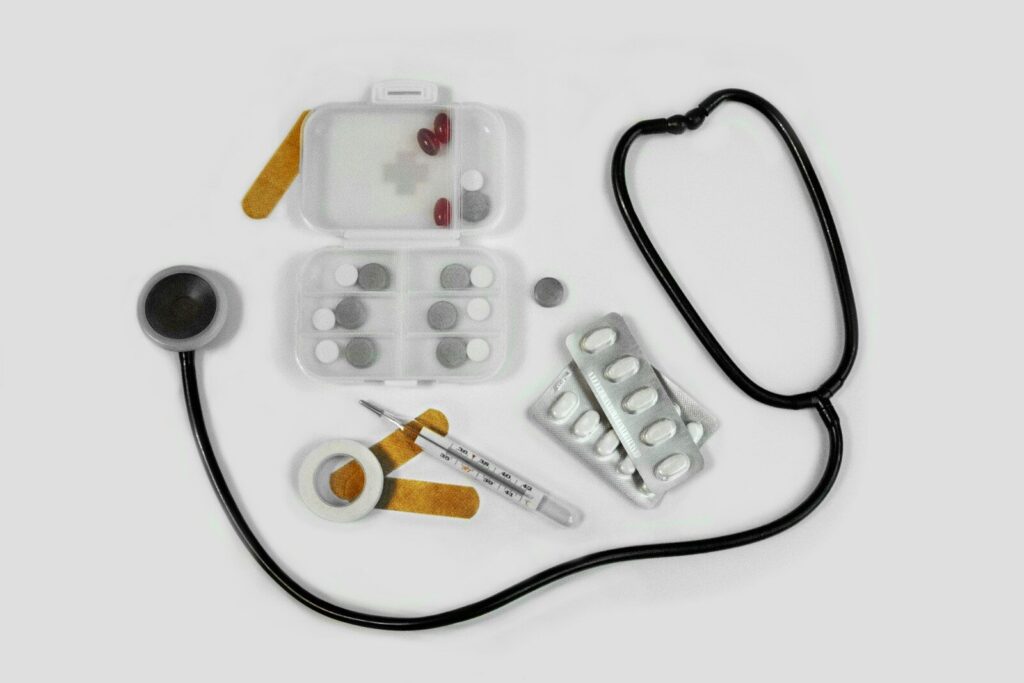
Many people are understandably hesitant when osteoporosis medications are recommended, and concerns about side effects often dominate the conversation.
However, it is important to remember that medications are usually only recommended when the risk of having a fracture has become substantial.
For someone at high fracture risk, the likelihood of experiencing a serious osteoporotic fracture is usually much greater than the likelihood of developing a rare medication-related complication.
This means for some people, combining medications with healthy lifestyle and nutrition, will give the best outcomes.
Bisphosphonates: The First-Line Treatment
Bisphosphonates are the most commonly prescribed osteoporosis medications worldwide.
They work by slowing bone breakdown, allowing bone formation to catch up and stabilise skeletal strength.
Common examples include:
- Alendronate
- Risedronate
- Zoledronic acid
Alendronate, usually taken as a 70 mg tablet once weekly, can reduce:
- Vertebral fractures by approximately 45–55%
- Hip fractures by approximately 40%
Risedronate works similarly and has demonstrated meaningful reductions in both vertebral and non-vertebral fractures, with a 36–39% reduction in vertebral fractures and a 26% reduction in hip fractures..
Zoledronic acid (Aclasta) is given intravenously and offers the convenience of infrequent dosing, typically once yearly. Clinical trials have demonstrated reductions of approximately:
- 56–70% in vertebral fractures
- Around 40% in hip fractures
- 18-24% for nonvertebral/clinical fractures.
Up to 30% of patients can experience temporary flu-like symptoms after their first dose of Zoledronic acid (Aclasta), but this side effect tends to reduce significantly with subsequent infusions.
These represent some of the most effective fracture-prevention interventions available.
Side Effects and Long-Term Considerations
Highly publicised long-term risks, such as Atypical Femur Fractures (AFF) and Osteonecrosis of the Jaw (ONJ), are statistically exceptionally rare. ONJ occurs in just 1 to 69 out of every 100,000 oral bisphosphonate prescriptions used for osteoporosis. The New England Journal of Medicine AFF risks rise slightly after 8–10 years of continuous use, which is why doctors often plan a sensible “drug holiday” after 3 to 5 years of stable treatment.
Most people tolerate osteoporosis medications well.
Potential side effects include:
- Gastrointestinal irritation with oral bisphosphonates (20-30% of people – can be helped by taking with water on an empty stomach and remaining upright for 30 minutes after)
- Flu-like symptoms after zoledronic acid infusion
- Muscle or joint aches
Rare but widely discussed complications include:
- Osteonecrosis of the jaw (ONJ)
- Atypical femur fractures (AFF)
While these complications are real, they remain extremely uncommon in people receiving treatment for osteoporosis – for example ONJ occurs in just 1 to 69 out of every 100,000 people who take oral bisphosphonates.
This means for most high-risk people, the benefits of these medications for fracture prevention far outweighs the risks.
Because bisphosphonates remain in the bone for years, treatment is often reassessed with either a DEXA scan or FRAX score after:
- Five years of oral therapy
- Three to six years of intravenous therapy
As the risk of AFF rises slightly after 8–10 years of continuous use, doctors often plan a “drug holiday” after 3 to 5 years of stable treatment, depending on their ongoing fracture risk.
Other Effective Medication Options
Not everyone is suited to bisphosphonates, and some people require more intensive treatment.
Denosumab is an injectable medication given every six months. It is highly effective at increasing bone density and reducing fractures. However, it must be managed carefully because stopping treatment abruptly can lead to rapid bone loss.
For people with severe osteoporosis or multiple fractures, anabolic medications may be considered.
These include:
- Teriparatide
- Romosozumab
Unlike most osteoporosis medications, which primarily slow bone breakdown, anabolic therapies actively stimulate new bone formation.
They can produce some of the largest improvements in bone density currently achievable with medication.

Menopausal Hormone Therapy (HRT) and Bone Health
For some peri or postmenopausal women—especially those transitioning through early or premature menopause—Hormone Replacement Therapy (HRT/MHT) can be a powerful protective tool as well.
By replacing oestrogen, HRT blunts the accelerated bone loss typical of early menopause and is officially approved for osteoporosis prevention in many countries.
Dosing for osteoporosis prevention are typically:
- transdermal estradiol 50mcg patches OR
- oral conjugated equine estrogens (CEE) 0.625 mg daily
However the lowest effective dose for bone protection is not fully clear, with research suggesting that even lower-dose regimens may still protect bones (ie CEE 0.45 mg daily, or transdermal estradiol 37.5 μg/day or less)
Where Does Hormone Therapy Fit in Osteoporosis Care?
Although MHT is effective for maintaining bone density, it is generally not considered a first-line treatment for women with established osteoporosis.
Current guidelines from major organizations, including ACOG and the Endocrine Society, recommend hormone therapy primarily as a prevention strategy rather than a treatment for known osteoporosis.
However hormone therapy may be helpful in women who:
- Are younger than 60 years of age or within 10 years of menopause
- Have a low risk of venous thromboembolism, breast cancer, and cardiovascular disease
- Are experiencing other menopausal symptoms, such as mood disturbance, sleep issues, hot flushes or night sweats
- Are not good candidates, or do not wish to take other osteoporosis medications, such as bisphosphonates or denosumab.
In these women, MHT can given a dual benefit of symptom relief and bone protection.
How Effective Is HRT For Bones?
The bone benefits of hormone therapy are well established.
In the Women’s Health Initiative, both estrogen-only therapy and combined estrogen-progestogen therapy reduced overall fracture risk by approximately 24–29% and hip fracture risk by 33–35% compared with placebo.
Hormone therapy can also result in measurable improvements in bone mineral density (BMD).
After two years of treatment, average BMD increases of 6.8% at the lumbar spine, 4.5% at the forearm, and 4.1% at the femoral neck have been reported.
Do Estradiol Blood Levels Matter?
A common question is whether women need to achieve a certain level of estradiol in their bloodstream to protect their bones.
At present, the answer is no – current guidelines do not recommend targeting a specific estradiol concentration when prescribing hormone therapy for bone health.
While some studies have shown that women with higher endogenous estradiol levels tend to have greater bone density and slower rates of bone loss, at present there is no clear minimum level for fracture prevention or osteoporosis management.
For this reason, doctors usually assess treatment effectiveness using bone mineral density measurements and fracture risk assessment rather than routine estradiol testing.
A Special Case: Primary Ovarian Insufficiency
Women with primary ovarian insufficiency (POI) are an important exception.
POI is defined as menopause occurring prior to 40 years of age.
Because estrogen deficiency occurs at a much younger age than normal in POI, the goal is to replace estrogen to physiologic levels rather than simply manage menopausal symptoms.
Current recommendations support using transdermal estradiol doses of 100–150 μg/day, together with cyclic progesterone in women with an intact uterus.
These higher replacement doses more closely mimic the estrogen levels seen in naturally menstruating women and have been shown to significantly improve bone density, and help prevent osteoporosis.
Important Practical Considerations
When using hormone therapy for bone health, there are several things worth keeping in mind:
- Treatment should be individualized based on a woman’s symptoms, fracture risk, and personal health profile rather than following a rigid “lowest dose for the shortest duration” rule.
- The bone-protective effects of hormone therapy do not persist after treatment is stopped. Bone density can decline relatively quickly, often within 3–4 years of discontinuation.
- Women who remain at high fracture risk after stopping hormone therapy may need to transition to another osteoporosis medication to maintain bone protection.
- Monitoring should focus on bone density and fracture risk rather than serum estradiol levels.
This means for the right patient, menopausal hormone therapy can be a valuable tool for maintaining bone health while also relieving menopausal symptoms.
However, in women with established osteoporosis or very high fracture risk, other osteoporosis medications remain the preferred first-line treatment.

Bringing It All Together
Bone health is not determined by a single nutrient, supplement, exercise, or medication.
It is the cumulative result of thousands of daily choices and biological influences that interact over decades.
The strongest evidence supports a comprehensive approach that combines:
- Regular resistance training
- Weight-bearing and impact exercise
- Balance-focused activities
- Adequate protein intake
- Sufficient dietary calcium
- Appropriate vitamin D status
- Smoking cessation
- Alcohol moderation
- Fall prevention strategies
- Medication when fracture risk is high
The encouraging reality is that bone health remains responsive throughout life.
While we cannot stop ageing, we can influence how our bones age.
Whether you are building peak bone mass in your twenties, maintaining skeletal strength through midlife, or managing osteoporosis later in life, meaningful improvements are possible.
Even relatively small gains in bone strength, muscle function, or balance can translate into fewer fractures, greater independence, and a better quality of life.
Strong bones are built over decades, but it is never too late to start investing in them.
We hope you have enjoyed this article – knowledge is power!
And if you’ve found it helpful, please share with someone else who needs to read it.
We offer holistic peri/menopause and lifestyle medicine health consults NZ wide, and can provide comprehensive holistic treatment plans for bone health, as well as discussing and prescribe HRT if desired/appropriate to do so, via our Book a Consult page.
Finally, if you’d like to learn more about healthy nutrition, exercise, lifestyle, and more please check out our courses – we have Reboot courses, Focus courses, and workshops all full of great evidence based whole person health info!
We’d love to see you there ❤️